Creating an Accessible Home Environment
When we speak of an accessible home environment, what exactly do we mean? In essence, it refers to a living space designed to accommodate the needs of all individuals, regardless of age, ability, or mobility. The goal is to create a setting where everyone can move freely and safely, making daily activities easier and more independent. This concept is not just for the elderly or individuals with permanent disabilities; it’s about crafting spaces that are inclusive and adaptable for everyone, whether they are recovering from temporary injuries, managing chronic conditions, or simply planning for the future.
The significance of an accessible home cannot be overstated. For many, a home is a personal sanctuary, but when faced with physical limitations, this sanctuary can quickly become a challenging environment. Picture this: simple tasks such as navigating a step at the entrance, reaching for high shelves, or moving through a narrow hallway can turn into significant obstacles. This is where the importance of accessibility comes into play. By modifying our homes to remove these barriers, we enhance safety, boost independence, and improve quality of life.
Moreover, embracing accessible design benefits everyone, not just those with immediate needs. It's about creating a space that is comfortable and convenient for all guests and residents—a principle known as universal design. Universal design goes beyond accessibility; it's about building environments that are inherently more functional and user-friendly for everyone, regardless of their current or future physical abilities.
The drive toward an accessible home environment is not merely about addressing current limitations, but anticipating future needs as well. As our population ages, the relevance of accessible housing only grows stronger. Yet, the concept remains underutilized, often misunderstood as a niche requirement rather than a standard we should all aspire to.
Below we will explore the critical components of an accessible home, identify common barriers, and provide practical solutions to enhance your living space. Whether you are considering modifications for yourself or a loved one, understanding the foundation of an accessible home environment is the first step towards creating a safer, more inclusive dwelling.
Let's delve deeper into what makes a home accessible, the benefits it brings, and how small changes can have significant impacts on our daily lives and overall well-being.
Identifying Areas for Improvement: Key Components of an Accessible Home
Transitioning our homes into accessible spaces may seem daunting at first. However, identifying key areas for improvement can simplify this process, allowing us to prioritize modifications that have the most significant impact. Let's explore the main areas in a home that typically require attention and the common barriers they present.
Entrances and Doorways: The Gateway to Accessibility
The journey to an accessible home begins with the entrance. A home that starts with steps or narrow doorways can be a considerable obstacle for wheelchair users or individuals with mobility aids. To enhance accessibility, consider installing ramps for smooth transitions and widening doorways to at least 32 inches. This ensures ample space for wheelchairs and walkers, facilitating easy access and promoting a sense of welcome and independence from the moment one approaches the home.
Bathrooms: Focusing on Safety and Convenience
Bathrooms are critical areas that often require significant modifications. Traditional bathroom designs can present various hazards, such as slippery floors or hard-to-reach cabinets. To create a safer environment, consider implementing bath and shower safety products. For instance, you could install grab bars near the toilet and in the shower area. These provide essential support and can prevent falls. Additionally, consider a walk-in shower with a bench and adjustable showerheads to accommodate everyone's needs. Non-slip mats can further reduce the risk of accidents, ensuring everyone’s safety and comfort.
Kitchens: Making Every Task Easier
The kitchen is the heart of the home, but it can also be fraught with accessibility challenges. High countertops and deep cabinets make it difficult for wheelchair users or individuals of shorter stature to prepare meals or retrieve items. To address these issues, incorporate lower countertops and pull-out shelves. These modifications allow everyone to participate in cooking and other kitchen activities, fostering independence and enjoyment in daily routines.
Hallways and Living Spaces: Ensuring Freedom of Movement
Navigating through a home should be effortless for everyone. Narrow hallways and cluttered living spaces can impede movement, especially for those using mobility aids. Ensure hallways are at least 36 inches wide and free from obstructions to allow for comfortable passage. Similarly, arrange furniture in living areas to create clear paths and turn spaces, making sure that everyone can move freely and socialize without barriers.
Bedrooms: A Sanctuary for All
A bedroom should be a place of comfort and ease, not a source of frustration. For those with mobility issues, high beds and inaccessible storage can make this personal space challenging. Consider adjustable beds that can be raised or lowered for easier access, and opt for open shelving or sliding wardrobe doors to ensure clothes and personal items are within easy reach.
By focusing on these critical areas, we can transform our homes into spaces that support and empower all inhabitants. Remember, the goal is not to overhaul your home overnight but to make informed, incremental changes that enhance accessibility and comfort for everyone.
Practical Solutions and Modifications for Enhanced Mobility
Having outlined the key areas in the home that commonly require improvements, we now turn our attention to practical solutions and specific modifications that can significantly enhance mobility and accessibility. These changes range from simple adjustments to more significant renovations, all aimed at facilitating daily activities and promoting independence.
Creating an Accessible Bathroom for Comfort and Safety
The bathroom poses various challenges, but also offers ample opportunities for enhancements. Start with the shower: A barrier-free, walk-in design eliminates the need for stepping over high thresholds, reducing the risk of falls. Equipping the shower with a handheld, adjustable-height showerhead adds flexibility, catering to users of all heights and mobility levels. Furthermore, installing a fold-down seat provides stability and comfort for those who need to sit while bathing.
The sink area is another focal point. Mount the sink at a height accessible to wheelchair users, ensuring there is clear floor space beneath for easy approach. Lever-style faucets are preferable, as they are easier to use for individuals with limited hand strength or dexterity.
Finally, consider the toilet area. Raising the toilet seat height can make a significant difference for those with mobility challenges, making it easier to sit down and stand up. Surrounding the area with sturdy grab bars gives additional support and security.
Adapting the Kitchen to Meet Everyone’s Needs
The kitchen is a hub of activity, and adapting it can significantly improve usability for everyone. Lowering countertops and installing pull-out work surfaces ensure that preparation areas are accessible to all, including those who are seated or have height restrictions. Consider also the appliances: Dishwashers, ovens, and refrigerators with front controls and pull-out shelves are more accessible and easier to use for everyone, including those with limited reach.
Storage is another critical aspect. Pull-down shelving systems and drawers, as opposed to traditional cabinets, can make kitchen items more accessible. Transparent doors and well-lit interiors help visually impaired individuals locate items more easily.
Enhancing Mobility in Living Areas and Hallways
Living areas should be open and free from obstacles that hinder movement. Start by securing rugs to the floor or removing them entirely to prevent trips and falls. Furniture should be arranged to create wide, clear pathways and turning areas, accommodating mobility aids like walkers and wheelchairs.
In hallways, good lighting is crucial. Consider adding motion-activated lights that illuminate the path for those with visual impairments or those navigating the space at night. Ensure that switches and thermostats are placed at accessible heights and, where possible, opt for smart home devices that can be controlled remotely or via voice commands.
Ensuring Bedroom Accessibility for Rest and Relaxation
In the bedroom, the height of the bed is crucial. Adjustable beds can be aligned to the right height to facilitate easy transfers from a wheelchair or assist in getting up without strain. Side tables should be within easy reach and equipped with easy-to-use lamps and storage.
Clothing storage should also be accessible. Wardrobes with sliding doors and adjustable height rods and shelves allow for easy access to clothing and personal items, regardless of the user's height or mobility.
By implementing these practical solutions, you can significantly enhance the functionality and accessibility of your home. These changes not only promote independence, but also contribute to a safer living environment, reducing the risk of accidents and injuries.
EZ Walker Rollators: Enhancing Your Home’s Accessibility
While the modifications we've discussed can significantly enhance the accessibility of your home, the journey doesn't stop there. Mobility aids play a crucial role in navigating your environment safely and independently. This is where EZ Walker Rollators steps in — our company is committed to empowering individuals through high-quality mobility aids, helping you or your loved ones maintain an active and independent lifestyle within your newly adapted home.
The Role of Mobility Aids in an Accessible Home
At EZ Walker Rollators, we understand that each individual's needs are unique. That's why we offer a wide range of mobility aids, including rollator walkers, wheelchairs, knee scooters, and more, designed to meet the specific requirements of those with limited mobility. Whether you're recovering from surgery, facing long-term mobility challenges, or assisting an aging family member, our products are designed to provide support, stability, and independence.
Tailored Solutions for Everyday Life
Our rollators, for example, are not just walking aids; they're designed with everyday life in mind. Features like adjustable heights, comfortable seating, and spacious storage baskets make daily tasks more manageable and less tiring. For homes with tight spaces, our compact models navigate narrow hallways and doorways with ease, ensuring that your home modifications are complemented by the perfect mobility aid.
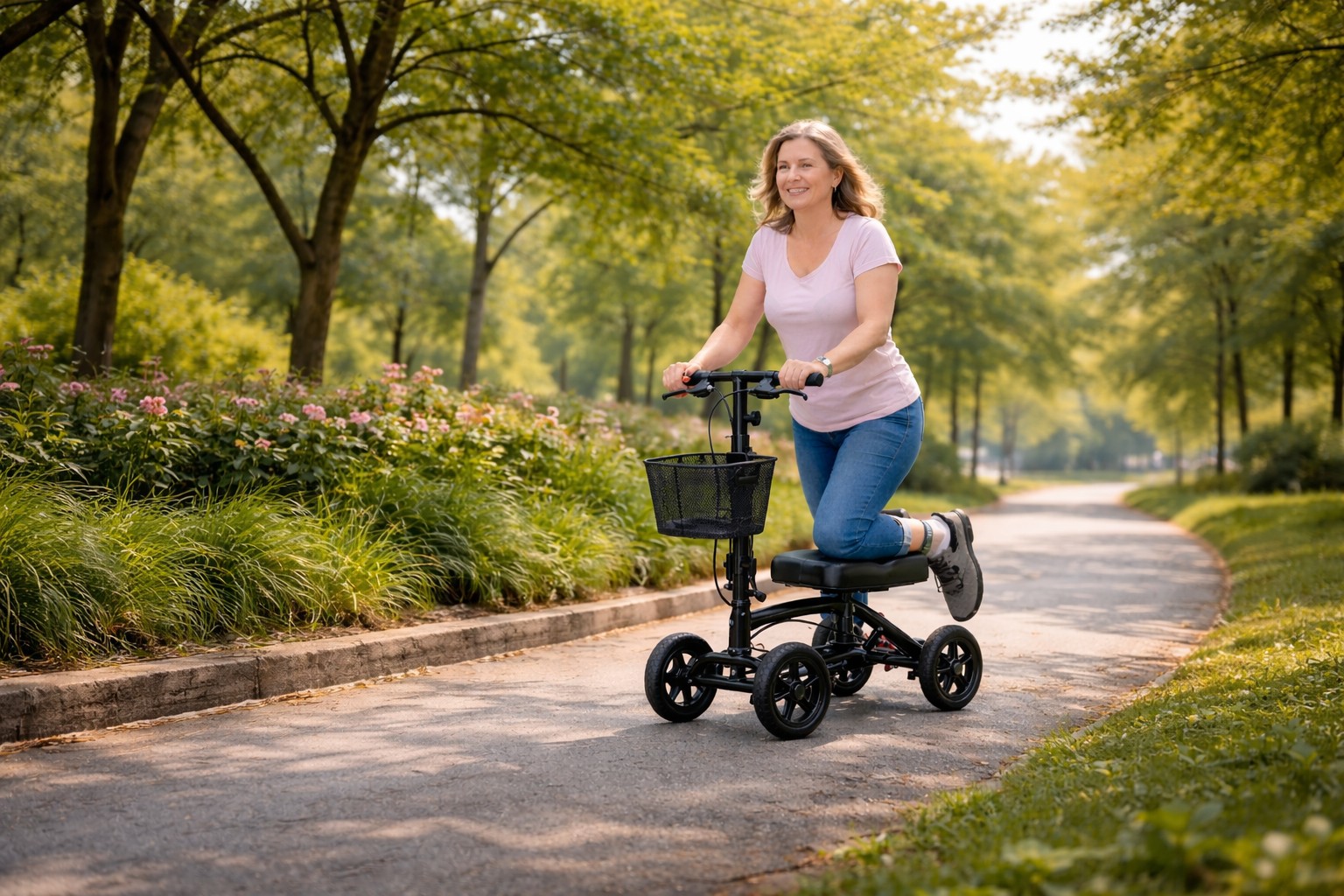
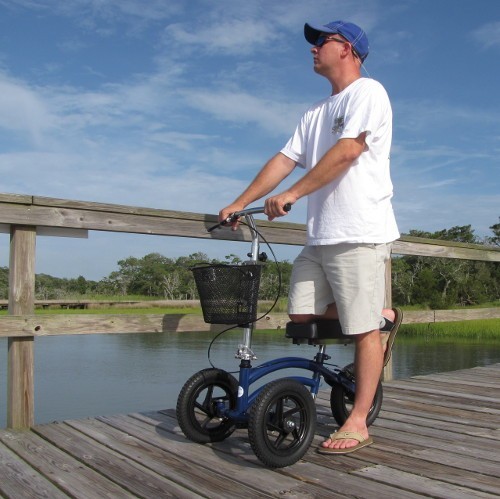
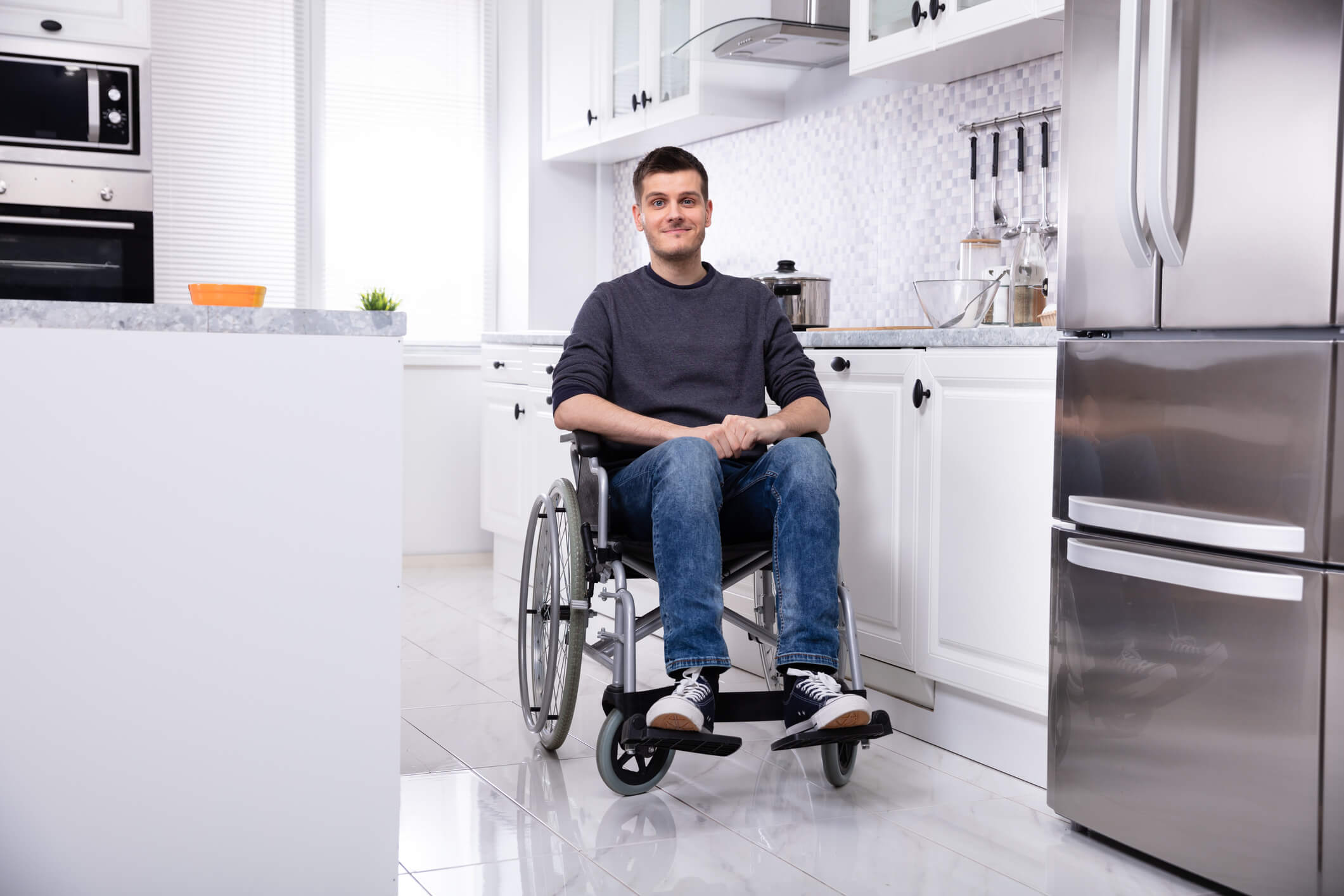
For those who require seated support but still want to maintain mobility, our knee scooters offer a comfortable, stable alternative to crutches, enhancing mobility and independence around the home. And for more significant mobility challenges, our range of wheelchairs provides the necessary support to move safely and comfortably, both indoors and out.
Safety First: Enhancing Home Safety with the Right Tools
Safety in the home is our top priority. That's why our products are equipped with features like non-slip wheels, easy-to-use hand brakes, and durable frames. These features ensure that using our mobility aids not only enhances your independence, but also contributes to the overall safety of your home environment.
Expert Advice and Personalized Service
We understand that choosing the right mobility aid can be overwhelming. That's why our team of experts is here to guide you through the selection process, ensuring that the product you choose fits perfectly into your lifestyle and your home. From assessing your specific needs to offering personalized recommendations, we're committed to helping you find the best solution. Contact us today to get started!
At EZ Walker Rollators, we believe that an accessible home is only complete with the right mobility aid. Our products are designed to integrate seamlessly into your life, enhancing the accessibility and comfort of your home. By combining home modifications with our high-quality mobility aids, you can enjoy a truly accessible living environment that promotes safety, independence, and well-being.
Implementing Changes: Planning Your Accessible Home
Congratulations on taking the first steps toward creating a more accessible home. By now, you understand the importance of an accessible environment and the practical modifications that can enhance your daily living. But where should you begin? Planning and implementing changes in your home require careful consideration. Here’s a comprehensive guide to help you navigate this transformative journey.
Assess Your Home’s Current State
Start by conducting a thorough assessment of your home. Identify areas that pose challenges or could be improved to accommodate your needs or those of your family members. Consider entrances, bathrooms, kitchens, living spaces, and bedrooms. Use the insights gained from previous sections to highlight potential hazards and note areas that lack accessibility features. Remember, the goal is to ensure safety, mobility, and comfort throughout your home.
Prioritize Based on Need and Impact
Once you’ve identified potential areas for improvement, prioritize them based on immediate need and overall impact on daily life. For instance, if mobility is a significant issue, modifications to entrances and hallways may take precedence. If safety in the bathroom is a concern, start there. Prioritizing helps allocate your resources effectively, addressing the most critical issues first.
Consult with Professionals
While some changes, like decluttering or reorganizing furniture, can be done independently, more significant modifications may require professional expertise. Consult with occupational therapists, accessibility specialists, or home renovation experts specializing in accessible design. These professionals can provide valuable insights, suggest practical solutions, and ensure that modifications meet your specific needs and adhere to safety standards.
Explore Funding and Resources
Modifying your home for accessibility can be an investment. Research available funding options, grants, or assistance programs that can help cover costs. Additionally, explore resources that offer guidance and support throughout the process. Organizations dedicated to aiding individuals with disabilities often provide valuable information and assistance.
Implement Changes and Adapt as Needed
With a plan in place, begin implementing the changes, starting with your priorities. It’s essential to remain flexible and adapt as your needs or circumstances change. Remember, creating an accessible home is an ongoing process. As you start using your modified space, you might discover new areas for improvement or adjustments that need to be made.
Integrate Mobility Aids from EZ Walker Rollators
As part of your home accessibility plan, consider the role of mobility aids in enhancing your independence and safety. EZ Walker Rollators offers a range of products tailored to meet various needs and preferences. Integrating these aids into your home can significantly improve your ability to navigate and enjoy your living space. Whether you require a rollator, wheelchair, or knee scooter, we can help you find the perfect match for your lifestyle and home environment.
Moving Towards a More Inclusive and Accessible Future
Creating an accessible home is a step towards fostering independence, safety, and comfort. By making thoughtful modifications and utilizing the right tools and resources, you can transform your living space into a sanctuary that supports your unique needs and those of your loved ones.
Remember, EZ Walker Rollators is here to support you on this journey. We’re committed to providing high-quality mobility aids and expert advice to enhance your home’s accessibility. Don't hesitate to reach out to us for guidance, product information, or to share your accessibility challenges and successes. Together, we can create a more inclusive, accessible, and comfortable home environment for everyone.