Essential Mobility Aids for Post-Surgery Recovery: What You Need to Know

Essential Mobility Aids for Post-Surgery Recovery: What You Need to Know
Recovering from surgery can be a challenging journey that requires patience, care, and the right tools. Whether you’ve undergone a hip replacement, knee surgery, or another surgical procedure, mobility aids play a crucial role in helping you regain your independence and ensuring a smoother recovery process.
Mobility aids such as wheelchairs, rollator walkers, knee scooters, and bath safety products are essential tools for post-surgery recovery. They promote mobility, reduce strain on the healing body, and enhance safety, allowing individuals to navigate their daily activities with greater ease and confidence.
For those recovering from surgery, the path to regaining mobility involves more than rest—it requires a combination of support, effort, and the right equipment. Mobility aids serve as a bridge to independence, helping patients navigate the challenges of their recovery time while minimizing the risks of setbacks. In this blog, we’ll explore the essential mobility aids that can make a difference in your recovery journey and offer expert insights to help you choose the best options for your needs.
Understanding the Importance of Mobility Aids in Post-Surgery Recovery
After surgery, your body needs time to heal, adjust, and regain its strength. During this period, mobility aids can make a significant difference by supporting your recovery process and helping you safely return to your daily activities. Whether you’re recovering from a hip replacement surgery, knee surgery, or another type of joint replacement, these tools provide the stability and assistance you need.
Role in Recovery
Mobility aids play a crucial role in ensuring a smooth recovery process. They reduce the physical strain on soft tissues and surgical sites, allowing your body to heal without unnecessary stress. These devices also support you in regaining balance and muscle strength, which are often impacted by the surgical procedure. By promoting safe movement, mobility aids minimize the risk of falls and injuries that could delay your healing process.
Types of Surgeries That Benefit from Mobility Aids
Not all surgeries require the same recovery tools, but some procedures commonly benefit from assistive devices. For instance:
- Hip Replacement Surgery: Patients often need walkers or canes to manage limited mobility during the recovery period.
- Knee Surgery: Rollator walkers or knee scooters help patients move around while avoiding strain on the affected leg.
- Joint Replacement Surgeries: These procedures typically require devices to assist with balance and support as patients regain their usual activities.
Consulting Healthcare Providers
Every recovery journey is unique, which is why it’s essential to consult your healthcare provider. Your doctor, physical therapist, or occupational therapist can assess your specific needs and recommend the best mobility aids for your condition. Following their specific instructions ensures that the assistive devices you choose align with your recovery goals and medical requirements.
By understanding the role of mobility aids and tailoring your choices to your recovery needs, you can set the foundation for a safer and more comfortable healing process.
Essential Mobility Aids for Post-Surgery Recovery
Choosing the right mobility aids after surgery can greatly enhance your recovery experience, promoting safety, independence, and comfort as you regain your strength. Below, we’ll explore some of the most effective tools that cater to a wide range of recovery needs.
Wheelchairs and Transport Chairs
For individuals with limited mobility during the initial stages of recovery, wheelchairs and transport chairs provide a reliable solution. These aids allow you to move around comfortably while minimizing the strain on your surgical site. They are especially beneficial for patients recovering from hip replacement surgery or other procedures that temporarily limit mobility.
Rollator Walkers
Rollator walkers are invaluable for patients who are regaining their balance and muscle strength. Equipped with wheels and a built-in seat, they offer support while allowing for short rest periods during movement. This makes them an excellent choice for those transitioning back to daily activities but still needing assistance with mobility.
Knee Scooters
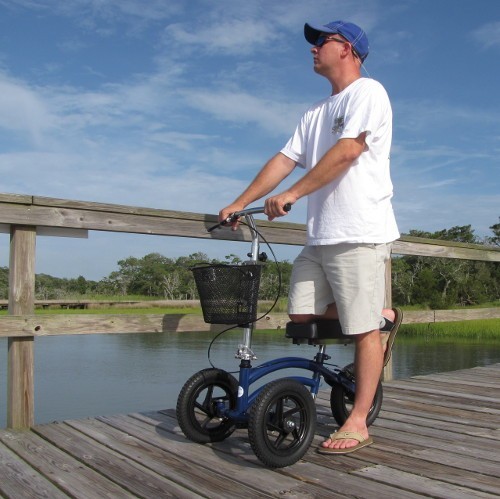
Knee scooters are specifically designed for individuals recovering from foot or ankle surgeries. Unlike crutches, which can be cumbersome and tiring, knee scooters provide a more stable and comfortable way to navigate daily tasks without putting weight on the affected area. This assistive device is ideal for maintaining mobility without compromising the healing process.
Bath Safety Products
Safety in the bathroom is a top priority during recovery. Bath safety products like shower chairs, grab bars, and raised toilet seats can help prevent slips and falls, ensuring that you can complete personal care routines with confidence and ease. These aids are particularly beneficial for patients with limited mobility or balance issues during the recovery process.
Additional Mobility Tools
Other mobility aids, such as canes or crutches, can provide targeted support for specific needs. These tools are often recommended by healthcare providers to complement physical therapy exercises and help restore your usual activities.
Selecting the right combination of mobility aids can significantly improve your recovery experience. By choosing tools that cater to your unique needs and following guidance from your healthcare team, you’ll be better equipped to navigate your daily tasks safely and efficiently.
Choosing the Right Mobility Aid
Selecting the appropriate mobility aid is a crucial step in ensuring a smooth and effective recovery process. Since each surgical procedure and individual recovery journey is unique, it’s important to carefully evaluate your specific needs and work closely with your healthcare team to make the best choice.
Assessing Your Individual Needs
The first step in choosing a mobility aid is understanding how your surgery impacts your mobility. For example:
- After a hip replacement surgery, you may need a walker or crutches to help stabilize your movements and avoid unnecessary strain on the healing joint.
- If you’ve had a knee surgery, a rollator walker or knee scooter might better suit your needs, as these tools can support movement without putting weight on the recovering leg.
- For foot or ankle surgeries, knee scooters are a popular choice, as they allow you to move around without compromising the affected area.
Think about your daily tasks, usual activities, and the level of assistance you’ll need during your recovery time. Your choice should align with these factors to help you transition back to your routine comfortably and safely.
Consultation with Healthcare Providers
Your healthcare provider plays a vital role in guiding you toward the most suitable mobility aid. Physical therapists and occupational therapists are particularly skilled in evaluating your needs and recommending devices that complement your recovery goals. By following their specific instructions, you can ensure that the mobility aid you choose supports your recovery process without causing additional strain.
Considering Lifestyle and Daily Activities
When selecting a mobility aid, consider how it fits into your daily activities and lifestyle. For instance:
- If you live in a multi-level home, a lightweight walker or cane may be easier to use on stairs.
- If you need assistance while traveling outside your home, a transport chair may provide the mobility and convenience required.
- Bath safety products, like grab bars and shower chairs, can enhance your ability to safely perform daily personal care routines.
Prioritizing Comfort and Safety
Your mobility aid should feel comfortable and provide a sense of security. Adjustable features, padded grips, and stability are important considerations. A device that meets these criteria will not only support your recovery, but also help build your confidence as you regain independence.
By taking the time to assess your needs and consulting your healthcare team, you can choose a mobility aid that complements your recovery journey.
Enhancing Recovery with the Right Support
Mobility aids are a vital part of post-surgery recovery, but they work best when combined with a holistic approach to healing. Beyond the devices themselves, additional support through therapy, proper care, and health management can significantly improve your recovery experience.
Physical and Occupational Therapy
Physical therapy and occupational therapy are essential components of the recovery process. A physical therapist will guide you through exercises designed to restore muscle strength, flexibility, and mobility, tailored to your specific surgical procedure. Similarly, an occupational therapist focuses on helping you safely perform daily tasks and regain independence in your usual activities.
By incorporating these therapies into your recovery routine, you’ll not only enhance your mobility but also reduce recovery time and improve your overall quality of life.
Pain Management and Safety
Managing pain effectively is key to staying active during your recovery. Mobility aids, in conjunction with pain relief strategies recommended by your healthcare provider, can reduce discomfort and help you move more confidently. Safety is equally important—using bath safety products, such as grab bars or shower chairs, can prevent accidents and protect surgical sites during the healing process.
The Importance of Follow-Up Appointments
Regular follow-up appointments with your healthcare provider are critical for tracking your progress and making necessary adjustments to your recovery plan. These visits allow your healthcare team to monitor your healing, address any challenges, and ensure your mobility aids are meeting your evolving needs. Don’t hesitate to discuss any concerns or ask for additional guidance during these appointments.
Balanced Diet and Immune System Support
A balanced diet rich in nutrients supports wound healing and boosts your immune system, which plays a crucial role in your overall recovery. Proper nutrition provides the energy needed for physical and occupational therapy sessions, helping you stay active and engaged in the recovery process.
Building Confidence and Independence
Using the right mobility aids and adopting supportive practices can empower you to regain confidence in your movements and gradually return to your usual activities. Whether it’s completing daily tasks or engaging in light, non-strenuous activities, every small step contributes to your progress.
Looking Ahead to Full Recovery
Recovering from surgery is a journey that requires patience, persistence, and the right resources. By combining mobility aids, professional guidance, and a focus on health and safety, you can navigate the recovery process with greater ease and achieve your goals.
At EZ Walker Rollators, we understand the challenges of post-surgery recovery and are dedicated to providing mobility aids that meet your unique needs. From rollator walkers to knee scooters and bath safety products, we offer a wide range of high-quality tools designed to support your healing journey.
Take the next step in your recovery with the right support. Contact EZ Walker Rollators today to explore our selection of mobility aids and discover how we can help you move forward with ease and independence.