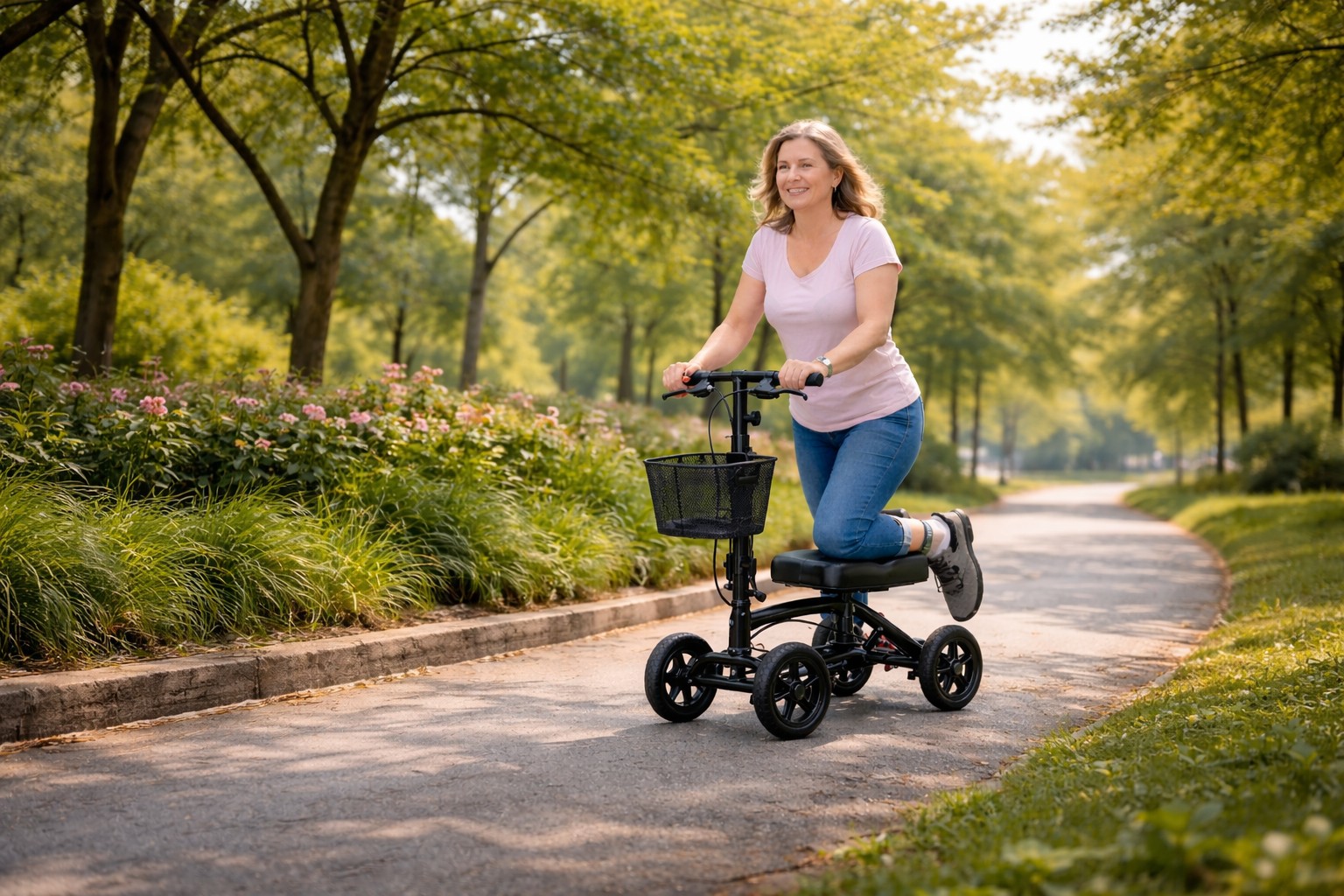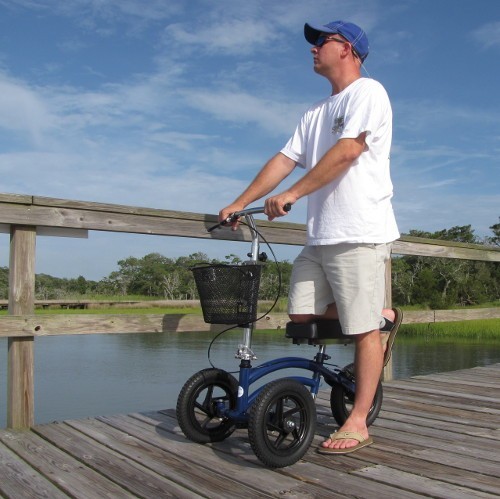
How to Properly Adjust and Use Your Rollator Walker for Maximum Comfort

How to Properly Adjust and Use Your Rollator Walker for Maximum Comfort
When it comes to mobility aids, the rollator walker stands out as a versatile and practical choice for individuals with limited mobility. Whether you’re recovering from an injury, managing a medical condition, or simply looking for extra support, a rollator walker can significantly enhance your independence and comfort.
How to Use a Rollator Walker
Using a rollator walker, sometimes referred to as a rolling walker or wheeled walker, is simple once you’ve adjusted it to suit your needs. Start by setting the handle height to align with your wrists when your arms are relaxed at your sides. Ensure the hand brakes are functioning correctly and always engage them when stationary. Walk upright, pushing the rollator gently ahead as you step forward, allowing its sturdy frame and four wheels to provide balance and support.
Why Proper Adjustment and Usage Matter
Using your rollator walker correctly is crucial for both comfort and safety. Poor adjustments can lead to strain, improper posture, or even accidents. When the rollator is set up to match your height and mobility needs, it becomes a reliable walking aid that supports your balance and reduces fatigue. It also helps prevent unnecessary pressure on your body, ensuring longer distances feel manageable and less taxing.
In this guide, we’ll walk you through everything you need to know about rollator walkers—how to adjust them, use them effectively, and make the most of their features. By the end, you’ll feel confident in using this essential mobility device to improve your daily life.
Understanding Your Rollator Walker
To get the most out of your rollator walker, it’s important to understand its components and the various options available. This knowledge will help you choose the right rollator for your needs and ensure you’re using it effectively for maximum support and convenience.
Key Components of a Rollator Walker
A rollator walker is more than just a frame on wheels; it’s a thoughtfully designed mobility aid with various features to enhance your experience:
- Wheels (Front and Rear): Most rollators come equipped with four wheels, offering smooth maneuverability. Front wheels typically swivel, making it easier to turn, while the back wheels provide stability on uneven terrain. Larger wheels are particularly helpful for outdoor use or navigating rough surfaces.
- Hand Brakes: These are essential for safety, allowing you to control your speed and secure the walker when stationary. Ensure your brakes are responsive and easy to operate.
- Built-In Seat: Many rollators feature a comfortable seat, allowing you to take breaks during longer distances. This is particularly helpful for individuals who tire easily or have medical conditions that limit endurance.
- Storage Options: Accessories like a wire basket or a storage pouch help keep your essentials within reach, adding convenience to your daily activities.
- Sturdy Frame: The frame provides stability and is designed to support a range of weight capacities. Always choose a rollator with a weight capacity that matches your needs.
Types of Rollators
There are different types of rollators available, each suited to specific needs and preferences:
- Three-Wheel Rollators: Compact and lightweight, these are ideal for indoor use or tight spaces. While they may lack a built-in seat, they’re highly maneuverable and easy to transport.
- Four-Wheeled Walkers: These provide greater stability and often include a comfortable seat and storage options, making them perfect for outdoor use and uneven terrain.
- Specialized Rollators: Some rollators come with features like larger wheels for rugged environments or an ergonomic design for individuals with specific medical conditions.
Choosing the Right Rollator for You
Understanding the features and types of rollators available is the first step to making an informed decision. Consider factors such as where you’ll use the walker (indoor use, outdoor use, or both), your balance and weight-bearing needs, and whether you require accessories like a cane holder or cup holder.
By familiarizing yourself with the components and options, you’ll be better prepared to select a rollator walker that fits your lifestyle and mobility requirements. This foundational knowledge sets the stage for proper adjustment and safe usage, ensuring you experience the full benefits of this valuable mobility device.
Adjusting Your Rollator for Maximum Comfort
A rollator walker is only as effective as its setup. Proper adjustment ensures that it meets your unique mobility needs, allowing you to walk comfortably, maintain good posture, and reduce strain. In this section, we’ll guide you through the essential steps to adjust your rollator walker for optimal performance and safety.
Handle Height Adjustment
One of the most critical adjustments for your rollator is the handle height. Incorrect handle height can lead to discomfort, poor posture, and even balance issues. Follow these steps to adjust it properly:
- Stand Upright Next to the Rollator: Wear your regular walking shoes and stand with your arms relaxed at your sides.
- Align Handles with Your Wrists: The handles should be level with the crease of your wrists when your arms are naturally extended. This height allows you to maintain an upright posture while walking.
- Test the Fit: Grip the handles and walk a few steps. Your elbows should bend slightly (about 15 degrees) to ensure comfort and control.
Proper handle height is essential for minimizing strain on your shoulders and back, ensuring a smooth and pain-free walking experience.
Seat and Backrest Adjustment
Many rollators come with a built-in seat and backrest, offering a convenient resting spot during longer distances. To ensure these features work for you:
- Check Seat Height: Sit down and ensure your feet rest flat on the ground. If they dangle or you feel cramped, adjust the seat height if your rollator allows for it.
- Adjust the Backrest (if available): The backrest should support your lower back comfortably. If it feels too far back or too close, refer to the user manual for adjustment instructions.
A well-adjusted seat and backrest can make your rollator a more versatile and comfortable mobility aid.
Brake Inspection and Adjustment
The hand brakes are a crucial safety feature of any rollator walker. Regular inspection and adjustment are necessary to ensure they function correctly:
- Test the Brakes: Squeeze the hand brakes while stationary to check their responsiveness. If the rollator still moves or the brakes feel loose, adjustment is needed.
- Tighten the Brakes: Most rollators have a simple screw or knob mechanism near the brake cables. Refer to your rollator’s manual for specific instructions.
- Engage the Parking Brake: Before sitting on the rollator seat, engage the parking brake to prevent movement. This ensures stability while you rest.
Reliable brakes are vital for navigating slopes, stopping safely, and ensuring your rollator remains stationary when needed.
Final Adjustments for Your Comfort
- Ensure the rollator’s sturdy frame is fully unfolded and locked in place.
- Verify that any accessories, such as a wire basket or cane holder, are securely attached and do not interfere with your walking stride.
- If your rollator has larger wheels for outdoor use or uneven terrain, ensure they’re correctly installed and inflated (if applicable).
Taking the time to properly adjust your rollator walker makes a significant difference in both comfort and functionality. These adjustments not only help prevent discomfort and strain, but also ensure your rollator is a reliable walking aid that supports your daily mobility needs.
Using Your Rollator Walker Safely and Effectively
Once your rollator walker is properly adjusted, the next step is learning how to use it safely and effectively. Mastering proper walking techniques and understanding how to navigate various environments will help you maximize the benefits of your mobility aid while minimizing the risk of injury.
Proper Walking Technique
Using a rollator walker requires a balance between support and movement. Here’s how to walk correctly with your rollator:
- Start with the Basics: Stand upright, holding the handles firmly but without gripping too tightly.
- Push the Rollator Gently Forward: Move the rollator ahead of you by a comfortable distance, ensuring it stays stable on all four wheels.
- Step Forward Gradually: Step into the space between the rollator’s rear wheels, keeping your movements steady and controlled.
- Maintain Upright Posture: Avoid leaning too far forward or slouching, as this can strain your back and shoulders.
- Use the Hand Brakes as Needed: Squeeze the brakes gently when going downhill or to slow your pace on uneven terrain.
Practicing these steps will help you feel confident and stable as you move.
Navigating Different Terrains
Rollators are designed to handle a variety of surfaces, but knowing how to adapt to each is key:
- Uneven Terrain: For gravel paths, grass, or cobblestones, use slow and deliberate movements. Larger wheels make it easier to navigate such surfaces, so consider this feature when choosing your rollator.
- Indoor Use: When maneuvering through tight spaces or sharp corners, opt for a rollator with swiveling front wheels. Keep your movements controlled to prevent bumping into furniture or walls.
- Outdoor Use: For longer distances outdoors, ensure the hand brakes are functional and engage them when needed. Look for rollators with sturdy frames and larger wheels to handle rough or sloping terrain.
Sitting and Standing Safely
The built-in seat on your rollator is a convenient feature, but using it safely is essential:
- Engage the Parking Brake: Before sitting, lock the hand brakes to prevent the rollator from moving.
- Lower Yourself Gently: Turn around, place your hands on the armrests or handles, and slowly sit down.
- Stand with Support: When getting up, use the armrests for leverage, ensuring the brakes are still engaged for stability.
These steps reduce the risk of falls and make it easier to take breaks when needed.
Tips for Everyday Use
- Carrying Essentials: Use the wire basket or storage pouch to keep items like your phone, water bottle, or medications within reach.
- Staying Alert: Be mindful of obstacles like rugs, thresholds, or curbs. Always assess your path before proceeding.
- Regular Maintenance: Check the condition of your rollator, including the wheels, brakes, and frame, to ensure it’s in good working order.
By mastering these techniques and safety tips, you’ll find your rollator walker to be an indispensable tool for maintaining mobility and independence.
Enhancing Your Mobility Experience with Accessories
A rollator walker is an invaluable tool for improving mobility, but its full potential can be unlocked with the right accessories and customizations. These enhancements not only add convenience but also cater to specific needs, ensuring your rollator becomes a seamless part of your daily routine.
Useful Add-Ons for Everyday Convenience
Accessories can make your rollator more practical and tailored to your lifestyle. Here are a few popular options:
- Cup Holder: Keep your beverage secure and within easy reach during your walks or outings.
- Cane Holder: Perfect for those who use a walking stick or cane in addition to their rollator. This accessory allows you to carry both without juggling or discomfort.
- Wire Basket or Storage Pouch: Ideal for carrying personal items, groceries, or medical supplies. These storage solutions help you stay hands-free while keeping essentials nearby.
By incorporating these add-ons, your rollator becomes more than just a mobility device—it transforms into a multifunctional tool for daily living.
Customization for Specific Needs
Every individual has unique requirements, and customizing your rollator ensures it meets yours perfectly:
- For Rough or Uneven Terrain: Larger wheels provide better stability and easier navigation on surfaces like gravel, grass, or cobblestones. Consider upgrading your wheels if outdoor use is a priority.
- For Limited Mobility or Fatigue: A comfortable seat and backrest are essential for taking breaks during longer distances. Look for models with an ergonomic design to reduce strain.
- For Specific Medical Conditions: People with balance issues or limited weight-bearing capacity can benefit from rollators designed with a sturdy frame and higher weight capacities.
Customization options make your rollator an extension of your mobility goals, enhancing both comfort and functionality.
Consulting with Professionals
To get the most out of your rollator walker, it’s wise to consult with a healthcare provider or physical therapist. They can provide personalized recommendations based on your medical condition, mobility issues, and lifestyle. This professional guidance ensures you make an informed decision and select a rollator that fully supports your needs.
Why Accessories and Customization Matter
Adding accessories or making adjustments may seem minor, but these changes can significantly improve your experience. They allow your rollator to adapt to your specific circumstances, whether it’s navigating uneven terrain, carrying personal items, or accommodating a medical condition.
At EZ Walker Rollators, we understand that every individual’s needs are different. That’s why we offer a wide range of rollator walkers, mobility aids, and accessories designed to make life easier and more comfortable. Whether you’re looking for additional storage, ergonomic upgrades, or advice on the right model, we’re here to help. Contact us today to explore options that can enhance your mobility and independence.
By customizing your rollator walker and using it to its fullest potential, you can enjoy greater freedom and comfort in your daily activities—giving you the confidence to move forward with ease.