How To Safely Use A Knee Scooter: Tips for First-Time Users

How to Safely Use a Knee Scooter: Tips for First-Time Users
Proper Setup and Adjustments
When using a knee scooter for the first time, one of the most important things to get right is the setup. Proper adjustments ensure you can use the scooter comfortably and safely while aiding in your recovery. Here’s how you can set up your knee scooter for the best experience.
Adjusting the Knee Pad
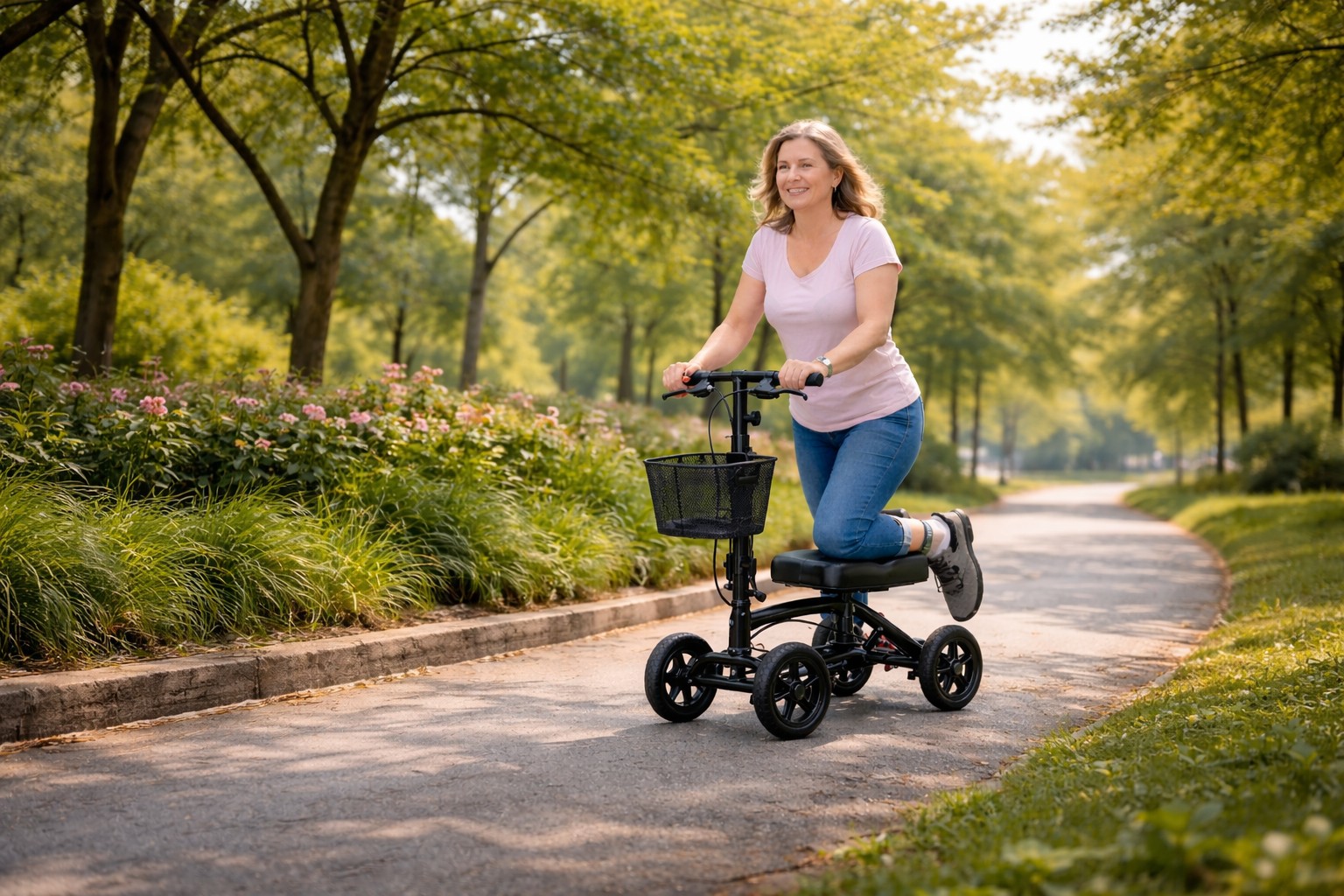
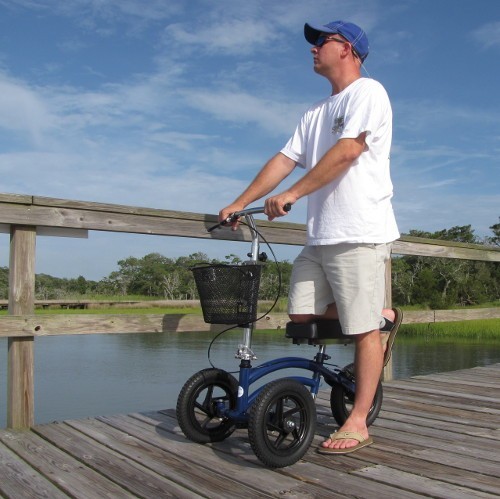
The knee pad is one of the most crucial components of your knee scooter. The height of the pad should be adjusted so that it comfortably supports your injured leg while you move. Ideally, your uninjured leg should remain on the ground, with your knee resting on the pad. This alignment helps maintain balance and prevents unnecessary strain on the injured leg.
A good rule of thumb is to ensure the knee pad is at a height that allows your thigh to be parallel to the ground when resting on the pad. If it’s too high or too low, you may experience discomfort or instability, which can increase your risk of injury. Take the time to fine-tune the knee rest height before using the scooter for longer periods.
Handlebar Height
The handlebar height is equally important for your comfort and control. When standing with your hands on the handlebars, your elbows should be slightly bent, allowing you to steer and maneuver easily without straining your arms or shoulders. The handlebars should be high enough to ensure you don’t have to lean forward too much, but not so high that you have to stretch to reach them.
Adjusting the handlebar height properly helps maintain your posture while using the scooter, providing a better experience for your mobility aid.
Knee Platform Position
The position of the knee platform is another important adjustment. Make sure it’s positioned securely, providing enough room for your injured leg to rest comfortably. If it’s too far forward or backward, it could affect your balance and make it harder to steer the scooter effectively.
Ensure the platform is centered under your knee, allowing you to rest your leg comfortably without too much pressure. This helps in distributing your body weight evenly and maintaining stability during use.
Consulting the User Manual
Before making any adjustments, always refer to the user manual that came with your knee scooter. Each model may have specific instructions for adjusting the height of the knee pad, handlebars, and knee platform. Following the manufacturer’s recommendations ensures the scooter will function at its best and minimize any potential discomfort or risks.
Safety Check
Finally, before using your knee scooter, always do a safety check. Inspect the wheels, brakes, and overall stability of the scooter. Ensure that everything is secure, and the brakes are functioning properly. If you find any issues, take care of them before starting your ride to prevent accidents.
By taking the time to properly adjust and check your knee scooter, you’re setting yourself up for a safer, more comfortable experience. Whether you’re recovering from foot surgery or managing a lower leg injury, the right setup will make a world of difference in your mobility and recovery process.
Tips for Safe Riding and Navigation
Once your knee scooter is properly adjusted, it’s time to start using it. However, as a first-time user, it’s important to approach this new form of mobility with caution and care. Here are some essential tips for safe riding and navigating with your knee scooter.
Maintaining Controlled Speed
One of the key aspects of safely using a knee scooter is to always maintain a controlled speed. While it can be tempting to move quickly, especially when you need to get somewhere, speeding can increase your risk of losing balance, especially on uneven surfaces or when turning. Always keep your speed slow and steady, particularly when navigating through crowded spaces, turning corners, or approaching obstacles. If you feel unsteady at any point, slow down or stop to regain control.
Using the Non-Injured Leg to Push
When riding a knee scooter, the non-injured leg plays a crucial role in propelling the scooter forward. Keep your uninjured leg on the ground and use it to push the scooter. This allows you to keep your injured leg elevated and safe on the knee pad, reducing stress and strain on the injury.
Be sure to take small, controlled steps with your uninjured leg to keep your momentum steady. Avoid large or abrupt movements, as they may cause the scooter to jerk or tip over. With practice, you’ll find a comfortable rhythm and speed that works for you.
Steering the Scooter
Steering your knee scooter is simple but requires practice. The handlebars should be used to guide the scooter in the direction you want to go. When turning, do so gently, making gradual movements with the handlebars to ensure the scooter stays stable. Sharp, fast turns can cause instability, especially on slippery or rough terrain.
For users with a steerable knee scooter walker, you’ll have even more control over the direction, making it easier to navigate tight corners or avoid obstacles. However, always ensure that your knees and knee pad are well-supported before making any sharp turns.
Keeping a Steady Balance
To maintain balance, be mindful of your posture as you use the knee scooter. Keep your back straight and your shoulders relaxed to avoid unnecessary strain. The key is to stay centered over the scooter. If you start feeling unbalanced or unstable, it’s best to stop and adjust your posture or check if the knee pad height and handlebar height need further adjustment.
Using a knee walker for mobility means you’re putting a significant amount of weight on your non-injured leg, so be mindful not to overextend it. Your uninjured leg should be doing most of the work, but it’s important to take small, measured steps.
Small Steps and Gradual Movements
When moving, try to take small steps with your uninjured leg rather than long strides. This allows for greater control and prevents the scooter from jerking or tipping over. Avoid sudden stops or quick movements—gradual and smooth motions are the key to maintaining stability. If you feel unsteady or unsure, stop and adjust before proceeding.
Taking the time to get comfortable with your knee scooter and practicing safe riding techniques will help you move more confidently and reduce your risk of accidents. By mastering the art of maintaining a steady pace, controlling the scooter, and using your non-injured leg to propel it, you’ll be able to regain your independence and continue your recovery journey with ease.
Navigating Different Environments Safely
As you get more comfortable using your knee scooter, it's important to understand how to safely navigate different environments. Whether you’re indoors, outside, or on uneven surfaces, each setting presents its own set of challenges. Here are some practical tips for safely using your knee scooter in various environments.
Navigating Indoors
Indoor knee scooters are typically easier to maneuver due to smoother floors and more predictable surroundings. However, it’s important to be mindful of obstacles such as furniture, doorways, and narrow hallways.
- Tight Spaces: When moving through tight spaces, make sure to steer slowly and carefully. Take turns gradually, and don’t rush. If needed, adjust the handlebar height for better control, or back up and reposition yourself before proceeding.
- Smooth Surfaces: A knee scooter performs best on smooth, flat surfaces. Be aware of rugs or mats that could get caught under the wheels, as these can cause you to trip or tip the scooter. If you need to cross a rug, approach it slowly and with caution.
- Uneven Flooring: While knee scooters are easy to handle on smooth surfaces, uneven flooring can create a hazard. If you encounter small steps or uneven thresholds, try to avoid them if possible. When crossing slightly uneven floors, take small, slow steps with your non-injured leg to maintain your balance. You may also want to use a steerable knee scooter walker, which offers more control when maneuvering over small obstacles.
Outdoor Navigation
Outdoor environments can be trickier, especially when you're dealing with uneven surfaces such as gravel, grass, or dirt paths. While knee scooters are lightweight and maneuverable, they are not always ideal for every outdoor surface.
- Rough Terrain: For outdoor use on uneven surfaces, a knee scooter with larger wheels will give you more stability. If your scooter has small wheels, it’s better to avoid rough, uneven paths, as they can make it harder to maintain control. For smoother outdoor paths, like paved walkways or smooth concrete, your knee scooter will perform better.
- Grass or Gravel: When moving over grass or gravel, keep your scooter at a slower pace. The larger rear wheels of some knee scooters can handle grass and gravel better, but it’s still important to avoid large bumps or rocks that could destabilize the scooter. Always check your surroundings to avoid obstacles that may be difficult to navigate.
Navigating Stairs and Curbs
It’s important to avoid using your knee scooter on stairs or curbs unless necessary. Most knee scooters are not designed to navigate steps safely.
- Curbs: If you need to go up or down a curb, always approach it slowly and carefully. If the knee scooter is not equipped with a steerable feature, it can be difficult to balance while crossing curbs. In such cases, you may need to ask for assistance or use an alternative mobility aid.
- Stairs: Never attempt to navigate stairs with a knee scooter. Stairs present a high risk of tipping over, especially if you’re on a non-weight bearing leg. Always use elevators or ramps instead, and take your time to ensure safety.
Maintaining Stability on Slopes
Navigating slopes or ramps can be tricky with a knee scooter. If you need to go uphill or downhill, always keep your speed controlled to avoid losing balance.
- Uphill: When moving uphill, focus on maintaining a steady pace with your uninjured leg. If the slope is steep, it’s better to take small, slow steps to maintain control. Make sure to keep your balance centered over the scooter to avoid tipping.
- Downhill: Going downhill requires extra caution. If the slope is too steep, consider finding an alternative route. When moving down a gentle slope, use your brakes to slow down. Never rush downhill, as the added momentum can make it difficult to stop or steer properly.
Ensuring Comfort and Proper Fit for Your Knee Scooter
One of the most important factors in using a knee scooter safely and comfortably is ensuring that the device fits you properly. A well-fitted knee scooter will improve your mobility, reduce strain on your injured leg, and enhance your overall experience. Here are some key adjustments and tips to make sure your knee scooter is as comfortable and effective as possible.
Adjusting the Knee Pad and Seat Height
To avoid discomfort or strain on your lower leg injury, it’s crucial to adjust the knee pad to the right height. When setting up your knee scooter, the knee rest should allow you to rest your injured leg comfortably without any pain or pressure.
- Knee Pad Position: Your knee pad should be adjusted so that your injured leg is at a 90-degree angle, providing ample support without forcing your knee to bend too much. If the pad is too high or too low, it could cause unnecessary pressure on your knee or thigh, leading to discomfort over time.
- Seat Height: In addition to the knee pad, adjusting the seat height is also essential. The seat height should allow you to sit comfortably and maintain balance. If the seat is too high, you may feel unstable, while a seat that’s too low could make it harder to keep your balance when sitting or standing.
Adjusting the Handlebar Height
Proper handlebar height is key to keeping you comfortable while using your knee scooter. If the handlebars are too low or too high, it could lead to awkward posture, which can cause strain on your shoulders, back, and wrists.
- Correct Handlebar Height: The handlebars should be adjusted so that your arms are at a comfortable, relaxed angle while holding onto them. Ideally, the handlebars should be at about the same level as your waist, allowing you to steer with ease without feeling too much tension in your upper body.
Comfort Features to Look For
When choosing your knee scooter, consider additional comfort features that can make your experience more enjoyable.
- Cushioned Knee Pad: Look for a knee scooter with a cushioned knee pad that provides extra comfort and support. This can be especially helpful when using the knee scooter for longer periods or when dealing with a non-weight bearing injury.
- Adjustable Footrests: Many knee scooters come with adjustable footrests, which can help relieve discomfort by allowing you to position your uninjured leg at the most comfortable angle.
- Padded Handlebars: Look for padded handlebars that provide a softer grip and reduce hand fatigue when using the scooter for long distances.
Choosing the Right Knee Scooter for Your Body Type
Not all knee scooters are made the same, so it’s essential to select a model that suits your body type and specific needs.
- Weight Capacity: Be sure to choose a knee scooter with a weight capacity that accommodates you. If you’re unsure of the weight limits, consult the user manual.
- Knee Platform Size: The knee platform should provide enough space for your injured leg to rest comfortably without feeling cramped. If the platform is too small, it may put additional strain on your leg and cause discomfort.
- Adjustable Features: Many knee scooters offer adjustable components, such as footrests, handlebars, and knee pads. Opt for a model that allows for fine-tuning to ensure the best possible fit for your height, weight, and comfort preferences.
Regular Maintenance and Checkups
Once you have your knee scooter properly adjusted, regular maintenance will help keep it in optimal condition and ensure that it remains comfortable to use.
- Tire Pressure: Make sure the wheels are properly inflated and in good condition. Low tire pressure can make it harder to maneuver your knee scooter and cause strain on your arms and shoulders.
- Wheel Checks: Inspect the wheels regularly for wear and tear. If they are damaged or excessively worn, they may affect your mobility or lead to accidents. Replacing the wheels before they become too worn can prevent further damage to the scooter.
- Brakes and Steering: Test the brakes regularly to ensure they are responsive and working properly. Check the steering mechanism for smooth operation as well, especially if you notice any issues with turning or controlling the scooter.
By ensuring that your knee scooter is properly adjusted and maintained, you’ll enjoy a safer and more comfortable experience. A good fit not only improves your mobility, but also reduces the risk of additional injuries and allows you to use your knee scooter for longer distances without discomfort.
Discover the Right Knee Scooter for You with EZ-Walker
At EZ-Walker Rollators, we understand that choosing the right mobility aid is essential to your recovery and overall well-being. Whether you’re recovering from ankle surgery, dealing with a lower leg injury, or navigating a foot injury, we offer a wide range of high-quality knee scooters and knee walkers designed to enhance your mobility and comfort.
Explore our selection of knee scooters today and take the first step toward a safer and more comfortable recovery experience. If you have any questions don’t hesitate to contact our experienced and friendly staff today!