Safe and Comfortable Knee Scooter Use: Tips and Tricks
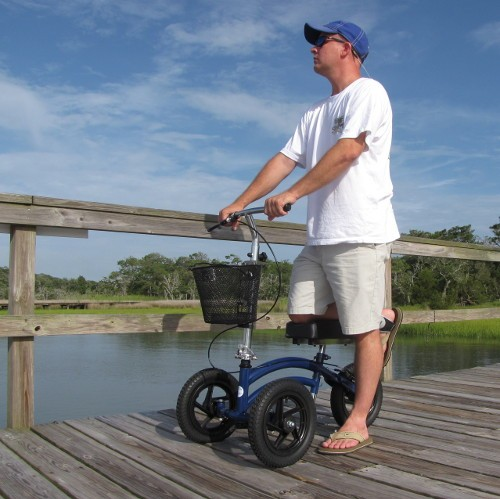
Safe and Comfortable Knee Scooter Use: Tips and Tricks
Ensuring Safety and Comfort with Your Knee Scooter
When it comes to recovering from a lower leg injury, foot surgery, or ankle surgery, finding the right mobility aid is crucial for both safety and comfort. A knee scooter, sometimes called a knee walker, is an excellent alternative to traditional crutches, offering better stability, less strain, and more freedom of movement. Whether you’re using it indoors or venturing outdoors, a knee scooter can help you navigate your surroundings more easily while protecting your injured leg.
For safe and comfortable use, a few key factors must be considered: proper adjustments, careful navigation, and being mindful of the terrain you're traveling over. In this guide, we’ll cover the essential tips and tricks for using a knee scooter safely and comfortably, helping you make the most out of this versatile mobility aid during your recovery process.
By following these recommendations, you’ll be able to avoid the discomfort and challenges associated with crutches while ensuring you move safely and confidently as you heal. Let’s dive into the details that will help you get the best experience from your knee scooter!
Setting Up Your Knee Scooter for Maximum Safety and Comfort
One of the most important steps in ensuring a smooth and safe recovery with your knee scooter is setting it up properly. A well-adjusted knee scooter not only improves your comfort, but also helps prevent unnecessary strain or injury. The key components to focus on are the knee pad height, handlebar height, and overall fit of the scooter to your body.
Adjusting the Knee Pad and Handlebar Height
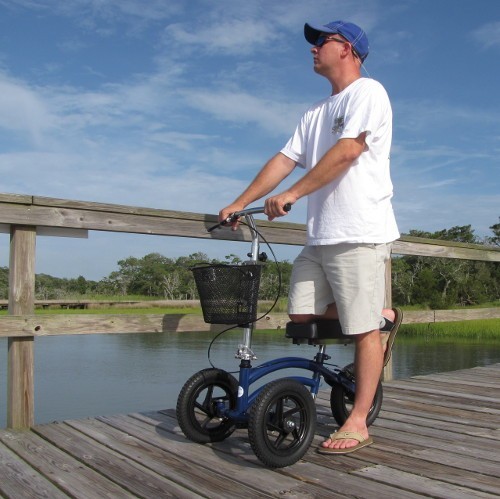
To begin, adjust the knee pad height to ensure your injured leg is supported at a comfortable angle. Ideally, the knee pad should be level with your uninjured leg, allowing you to rest your knee on the platform without bending awkwardly. A properly adjusted knee pad will reduce pressure on your knee and improve overall stability as you move.
Next, adjust the handlebar height so that it aligns with your waist when standing. This allows you to steer the scooter comfortably without hunching over or overextending your arms, reducing the risk of back or shoulder strain. Both the knee pad and handlebar height should be easily adjustable on most models, ensuring that the knee scooter fits your specific needs.
Ensuring Proper Frame and Stability
For those who need to maneuver in tight spaces, consider adjusting the frame length and width of your knee scooter, if possible. A more compact frame can offer better control and easier navigation indoors. Additionally, check the braking system to ensure it’s functioning correctly, as this is crucial for your safety, especially when navigating slopes or uneven surfaces.
Features for Easy Transport and Storage
If you need to transport your knee scooter frequently or store it in compact spaces, look for a model with a quick-release feature. This allows you to fold the scooter for easy transport or compact storage, which is especially helpful if you are frequently on the go. Ensuring that your scooter is convenient to use and store will make the recovery process smoother and less stressful.
By taking the time to properly adjust your knee scooter, you can ensure a more comfortable and safe experience as you recover from your injury. These adjustments are simple but essential steps toward maximizing the benefits of using a knee scooter.
Navigating Different Surfaces and Situations Safely
Once your knee scooter is properly set up, knowing how to navigate different environments safely is key to a smooth recovery. Whether you’re indoors or outdoors, the type of surface you’re traveling on can impact how you use your knee scooter, so it’s important to be mindful of your surroundings to avoid accidents or discomfort.
Handling Uneven Surfaces
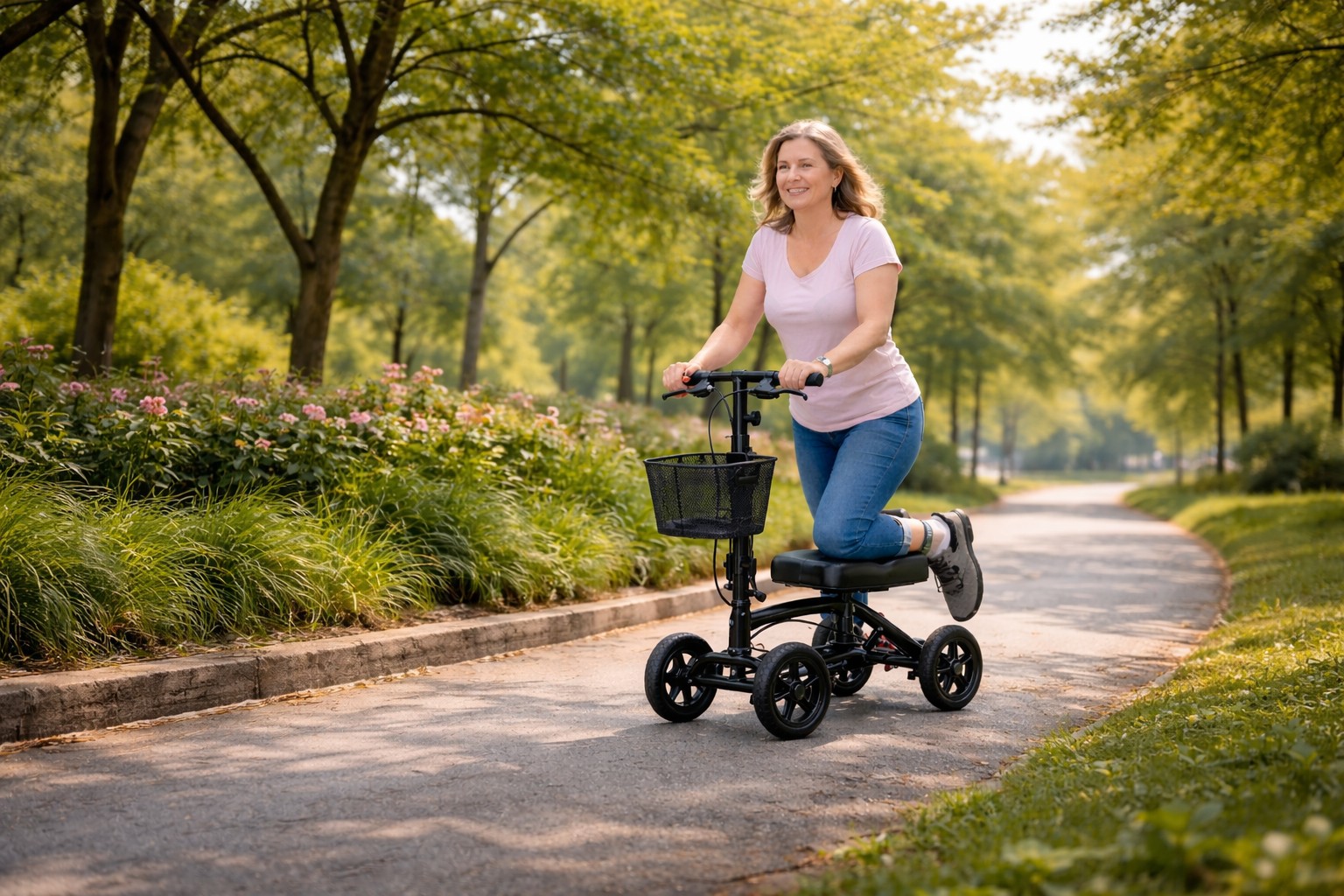
Knee scooters are generally stable on flat, even surfaces, but navigating uneven terrain, such as sidewalks or gravel paths, requires extra care. To safely travel over uneven surfaces, go slowly and avoid sudden turns or movements that could throw off your balance. Many models come equipped with rubber wheels or larger wheels, which help provide better traction and stability on challenging terrain. For those needing to navigate rougher areas frequently, a terrain knee walker might be the best option as it is designed to handle such surfaces more effectively.
Indoor vs. Outdoor Use
Using your knee scooter indoors is usually straightforward, especially on smooth floors like tile or hardwood. However, be cautious when transitioning from one surface to another, such as from carpet to tile, as these changes can impact how smoothly the scooter moves. For outdoor use, choose pathways that are smooth and avoid wet or slippery areas whenever possible. If outdoor navigation is a regular part of your routine, consider investing in a steerable knee walker with large wheels for greater stability and control.
Managing Longer Distances
If you need to cover longer distances, ensure that your knee scooter can handle the journey comfortably. Prolonged use can sometimes lead to discomfort, especially if your knee pad height or handlebar height isn’t properly adjusted. Make sure your scooter is well-suited for extended trips by checking its weight capacity and ensuring all components are securely in place.
By taking these precautions, you’ll be able to safely navigate both indoor and outdoor environments with your knee scooter. Whether you’re moving around the house or venturing outside, understanding how to adjust your technique based on the surface will keep you safe and comfortable throughout your recovery.
Preventing Injuries While Using a Knee Scooter
Even with proper setup and cautious navigation, it’s important to take extra steps to prevent potential injuries while using a knee scooter. Maintaining balance, distributing your weight correctly, and following best practices are essential for a smooth and safe recovery. Here are some practical tips to help you avoid accidents and discomfort:
Distribute Your Weight Evenly
One of the most common mistakes people make when using a knee scooter is putting too much weight on their injured leg or knee. To prevent strain, always ensure that the majority of your weight is supported by your uninjured leg while your knee rests comfortably on the knee pad. Make sure the knee pad is properly adjusted to the right height, which will help you maintain balance and reduce the risk of pressure sores on your injured leg.
Use Caution When Carrying Personal Items
If you need to carry personal items while using the scooter, make sure you’re not overloading the scooter or yourself. Many knee scooters are equipped with baskets or bags to help you transport personal items without losing balance. However, avoid carrying items that are too heavy, as this can affect the scooter’s balance and increase the risk of tipping over.
Avoid Overloading and Maintain Proper Posture
Always check your knee scooter’s weight capacity before use. Exceeding this limit can make the scooter unstable and difficult to control, leading to accidents. Additionally, maintain good posture while using the scooter by keeping your back straight and your hands firmly on the handlebars. Poor posture can lead to strain on your back and shoulders, especially if you’re using the scooter for extended periods.
Regularly Inspect Your Scooter for Safety
It’s essential to inspect your knee scooter regularly to ensure that all parts are functioning correctly. Check the braking system to confirm it’s working smoothly and test the quick-release features to ensure they are secure. This is particularly important if you’re using the scooter on uneven surfaces or during outdoor use, as rougher terrain can loosen components over time.
Consult a Healthcare Provider
Finally, it’s always a good idea to consult your healthcare provider about the best way to use your knee scooter, especially if you have any concerns about your recovery process. Your provider can give you personalized advice on how to prevent further injuries and ensure that your knee scooter is set up correctly for your specific needs.
By following these tips, you can minimize the risk of injury and make the most of your knee scooter, allowing you to move safely and comfortably throughout your recovery.
Choosing the Right Knee Scooter for Your Needs
Selecting the right knee scooter plays a crucial role in your comfort, safety, and overall recovery process. With so many options available, it’s important to find a model that fits your specific needs and lifestyle, whether you’ll be using it indoors, outdoors, or both. Here’s what to consider when choosing the best knee scooter for your recovery.
Terrain and Mobility Needs
The environment in which you’ll be using your knee scooter should be a major factor in your decision. For those who plan to use their scooter mostly indoors, a standard model with compact storage and easy maneuverability in tight spaces will likely be ideal. On the other hand, if you’ll be using your knee scooter outdoors or on uneven surfaces, a terrain knee scooter or a steerable knee walker with large wheels will provide better stability and control.
Key Features for Comfort and Safety
When selecting a knee scooter, look for key features like an adjustable knee pad, adjustable handlebars, and a quick-release mechanism. These features not only ensure a more comfortable fit, but also make the scooter easier to transport and store. A model with a sturdy braking system will provide excellent stability, especially on slopes or uneven surfaces, further enhancing your safety.
Weight Capacity and Frame Adjustments
Before purchasing or renting a knee scooter, always check the weight capacity to ensure it meets your needs. Models with a higher weight capacity tend to offer more stability and durability, which is crucial if you plan to use the scooter over longer distances or for outdoor use. Adjusting the frame length and width can also help improve your overall comfort, particularly if you’ll be navigating through narrow spaces.
Consulting a Healthcare Provider for the Best Fit
If you’re unsure which knee scooter is best suited for your injury or mobility needs, consulting with your healthcare provider can help you make the right choice. They can recommend the best type of scooter based on the nature of your injury, whether it’s related to knee injuries, foot surgery, or an ankle injury. Additionally, they can offer advice on features that will enhance your recovery and prevent further strain on your injured leg.
The Value of Choosing EZ Walker Rollators
At EZ Walker Rollators, we offer a variety of knee scooters designed to meet the unique needs of every individual. From models built for indoor use to terrain knee walkers for outdoor mobility, our products are crafted with safety, comfort, and ease of use in mind. Whether you're recovering from surgery or managing a lower leg injury, EZ Walker Rollators provides reliable mobility aids that make your recovery process as smooth as possible. With options for both purchasing and rental, you can choose the solution that best fits your needs without compromising on quality.
By selecting the right knee scooter, you’ll ensure a safer and more comfortable recovery journey, giving you the freedom to move confidently and focus on healing.