Importance of Strong Support Network for People with Mobility Aids

The Importance of a Strong Support Network for People with Mobility Aids
A strong support network is crucial for people with mobility aids to ensure their well-being, independence, and quality of life. Having a reliable network of family, friends, healthcare providers, and community resources can significantly enhance the lives of individuals who rely on mobility aids such as rollator walkers, wheelchairs, and knee scooters.
Living with a mobility aid can present unique challenges, but having a robust support network can make a significant difference. This blog will explore the importance of a strong support network for people with mobility aids, discussing various aspects such as the role of family and caregivers, community involvement, and healthcare support.
We will also delve into the benefits of such a network, including enhanced independent living, improved emergency preparedness, and better social and emotional well-being. Finally, we will highlight how EZ Walker Rollators can help individuals and their support networks, providing valuable products and resources to improve their quality of life.
Understanding Mobility Aids and Their Impact
Types of Mobility Aids
Mobility aids are devices designed to assist individuals who have difficulties moving around independently. These aids can range from simple canes and crutches to more advanced devices like rollator walkers, wheelchairs, transport chairs, and knee scooters. Each type of mobility aid serves a specific purpose and caters to different needs:
- Rollator Walkers: These are wheeled walkers that provide additional support and stability for walking, often featuring a seat and storage pouch for convenience.
- Wheelchairs: Both manual and power wheelchairs offer crucial support for individuals who cannot walk or have limited walking ability. Power wheelchairs, in particular, provide increased mobility and independence.
- Transport Chairs: Lightweight and designed for easy transportation, these chairs are ideal for travel and short-term use.
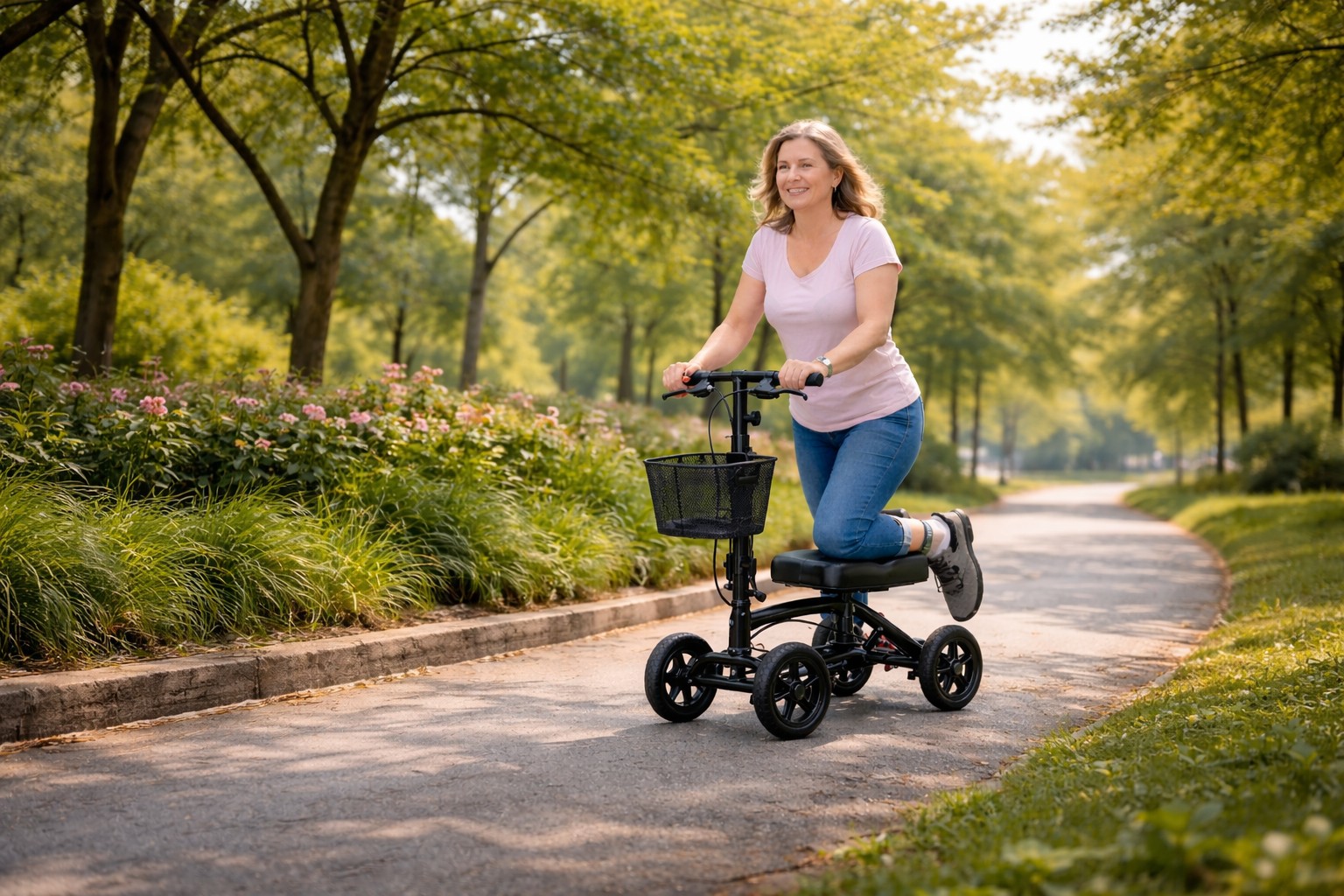
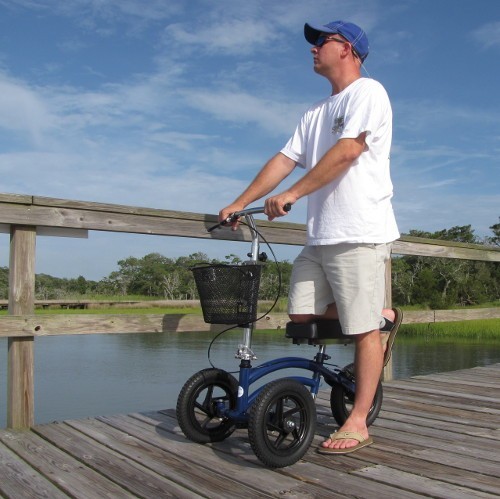
- Knee Scooters: These are used by individuals recovering from lower leg injuries, offering a comfortable and efficient alternative to crutches.
Impact on Daily Life
Mobility aids play a significant role in enhancing the quality of life for those who need them. They help older adults and individuals with disabilities maintain their independence and carry out daily activities with greater ease. Here are some key impacts:
- Increased Independence: Mobility aids enable users to move around more freely, reducing reliance on others for basic tasks like going to the bathroom, getting dressed, or preparing meals. This independence is crucial for mental and emotional well-being.
- Improved Safety: Assistive devices such as rollator walkers and wheelchairs provide stability and reduce the risk of falls and injuries, which is particularly important for older adults and those with physical disabilities.
- Enhanced Accessibility: Devices like power wheelchairs and knee scooters allow users to navigate various environments, including homes, workplaces, and public spaces, more easily. This accessibility is vital for participating in social activities and maintaining a sense of normalcy.
- Support for Daily Activities: Assistive technology integrated into these devices can include features like adjustable seating, easy-to-use brakes, and storage compartments, making daily activities more manageable and less stressful.
By understanding the types and benefits of mobility aids, we can better appreciate the crucial role they play in the lives of those who use them. This understanding also underscores the importance of a strong support network to ensure these individuals can maximize the benefits of their mobility devices and maintain a high quality of life.
Building a Strong Support Network
Role of Family Members and Caregivers
Family members and caregivers are the backbone of a strong support network for individuals with mobility aids. Their assistance goes beyond physical help, encompassing emotional and psychological support as well. Here's how they contribute:
- Daily Assistance: Family caregivers help with routine tasks such as bathing, dressing, and meal preparation. They ensure that the individual's mobility device, whether it's a rollator walker or a power wheelchair, is well-maintained and in good working condition.
- Emotional Support: Emotional well-being is crucial for individuals using mobility aids. Family members provide companionship, encouragement, and a sense of security, which can significantly boost the morale of the person using the assistive device.
- Emergency Preparedness: Caregivers ensure that emergency supplies, such as extra batteries for power wheelchairs and a supply kit with essential medical supplies, are always ready. They also keep medical records and prescription medication organized and accessible.
Involvement of Community Members and Service Providers
Community members and service providers play a vital role in creating an inclusive environment for individuals with mobility aids. Their involvement can make a significant difference in the quality of life for these individuals:
- Community Members: Neighbors, friends, and local organizations can offer invaluable support by including individuals with mobility disabilities in social activities and ensuring accessible routes in community spaces. This inclusivity helps reduce feelings of isolation and fosters a sense of belonging.
- Service Providers: Professionals offering technical assistance and support services are essential for the maintenance and optimization of mobility aids. They provide crucial services such as adjustments, repairs, and training on the proper use of assistive devices. Local resources and service providers can also help individuals access accessible transportation options and other necessary services.
Healthcare and Medical Support
Healthcare providers form an integral part of the support network for people using mobility aids. Their role extends from medical treatment to providing necessary medical equipment and supplies:
- Healthcare Providers: Regular check-ups and consultations with healthcare providers ensure that the individual’s health needs are met and any issues with their mobility aid are promptly addressed. They can also offer guidance on managing health conditions like cerebral palsy or spinal cord injuries.
- Medical Supplies and Equipment: Access to medical supplies, including specialized medical equipment and assistive devices, is crucial. Healthcare providers can prescribe the right equipment and ensure it meets the individual's specific needs.
- Prescription Medication and Records: Keeping track of prescription medication and medical records is essential for managing health effectively. Healthcare providers help in organizing and updating these records, ensuring the individual always has the necessary information at hand.
Building a robust support network involves the collaboration of family members, community members, service providers, and healthcare professionals. Together, they create a comprehensive support system that enhances the independence, safety, and overall well-being of individuals using mobility aids. This collective effort underscores the importance of a community approach to supporting those with mobility disabilities.
Benefits of a Strong Support Network
Enhanced Independent Living
A robust support network is vital for promoting independent living among individuals using mobility aids. Here’s how it makes a difference:
- Empowerment through Assistance: When individuals with mobility aids have reliable support from family caregivers and community members, they feel more empowered to engage in daily activities. This support helps them maintain their autonomy and reduces the need for constant supervision.
- Customizing Support to Individual Needs: A strong network tailors assistance to the individual needs of the person using the mobility aid. Whether it’s adjusting a power wheelchair or providing specific technical assistance, personalized support ensures that the individual can live as independently as possible.
Improved Emergency Preparedness
Having a well-prepared support network is crucial in emergencies, ensuring the safety and well-being of individuals with mobility aids:
- Readiness with Essential Supplies: A proactive support network ensures that emergency supplies, such as extra batteries for power wheelchairs and a comprehensive supply kit, are readily available. This preparedness can make a significant difference during unexpected situations.
- Accessible Emergency Plans: Planning for emergencies involves ensuring accessible shelter and routes are part of the emergency preparedness plan. Support networks work together to identify and establish these plans, ensuring that individuals with mobility aids can evacuate or find safety quickly and efficiently.
Social and Emotional Well-being
A strong support network significantly enhances the social and emotional well-being of individuals using mobility aids:
- Increased Social Interaction: Community members and family caregivers play a key role in involving individuals with mobility disabilities in social activities. Whether it's participating in local events or joining clubs, these interactions help reduce feelings of isolation and boost mental health.
- Emotional Support and Companionship: Emotional support from family members, friends, and even service animals is crucial for mental well-being. Having someone to talk to, share experiences with, and rely on for emotional stability can significantly improve the quality of life for individuals using assistive devices.
By fostering independent living, ensuring emergency preparedness, and enhancing social and emotional well-being, a strong support network plays a crucial role in the lives of individuals using mobility aids. This holistic approach to support underscores the importance of community, family, and professional involvement in creating an inclusive and supportive environment for everyone.
EZ Walker Rollators: Enhancing Support Networks
How EZ Walker Rollators Can Help
EZ Walker Rollators is dedicated to supporting individuals who rely on mobility aids by offering a wide range of high-quality products designed to enhance mobility and independence. Our extensive selection includes rollator walkers, wheelchairs, transport chairs, knee scooters, bath safety products, and more. By providing these essential aids, we help users navigate their daily lives with greater ease and confidence.
Product Features and Benefits
Our products are designed with the user’s needs in mind, ensuring maximum functionality and comfort:
- Rollator Walkers: Equipped with features like comfortable seats, storage pouches, and adjustable handles, our rollator walkers provide stability and convenience for users. They help reduce the risk of falls and make moving around easier.
- Transport Chairs and Knee Scooters: Lightweight and easy to maneuver, our transport chairs and knee scooters are perfect for individuals recovering from injuries or those who need temporary mobility assistance.
A strong support network is vital for individuals using mobility aids, enhancing their independence, safety, and overall well-being. From family caregivers to community members and healthcare providers, everyone plays a crucial role in building this network. At EZ Walker Rollators, we are committed to supporting these networks by providing top-quality mobility aids. Explore our offerings to find the right products that can help you or your loved ones live more independently and confidently. Together, we can create a more inclusive and supportive community for everyone.