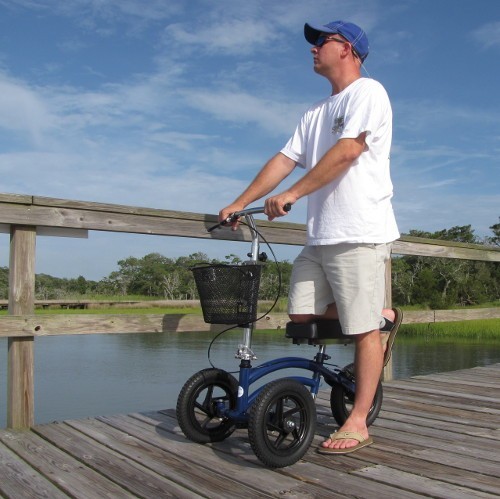
The Role of Occupational and Physical Therapy in Using Mobility Aids
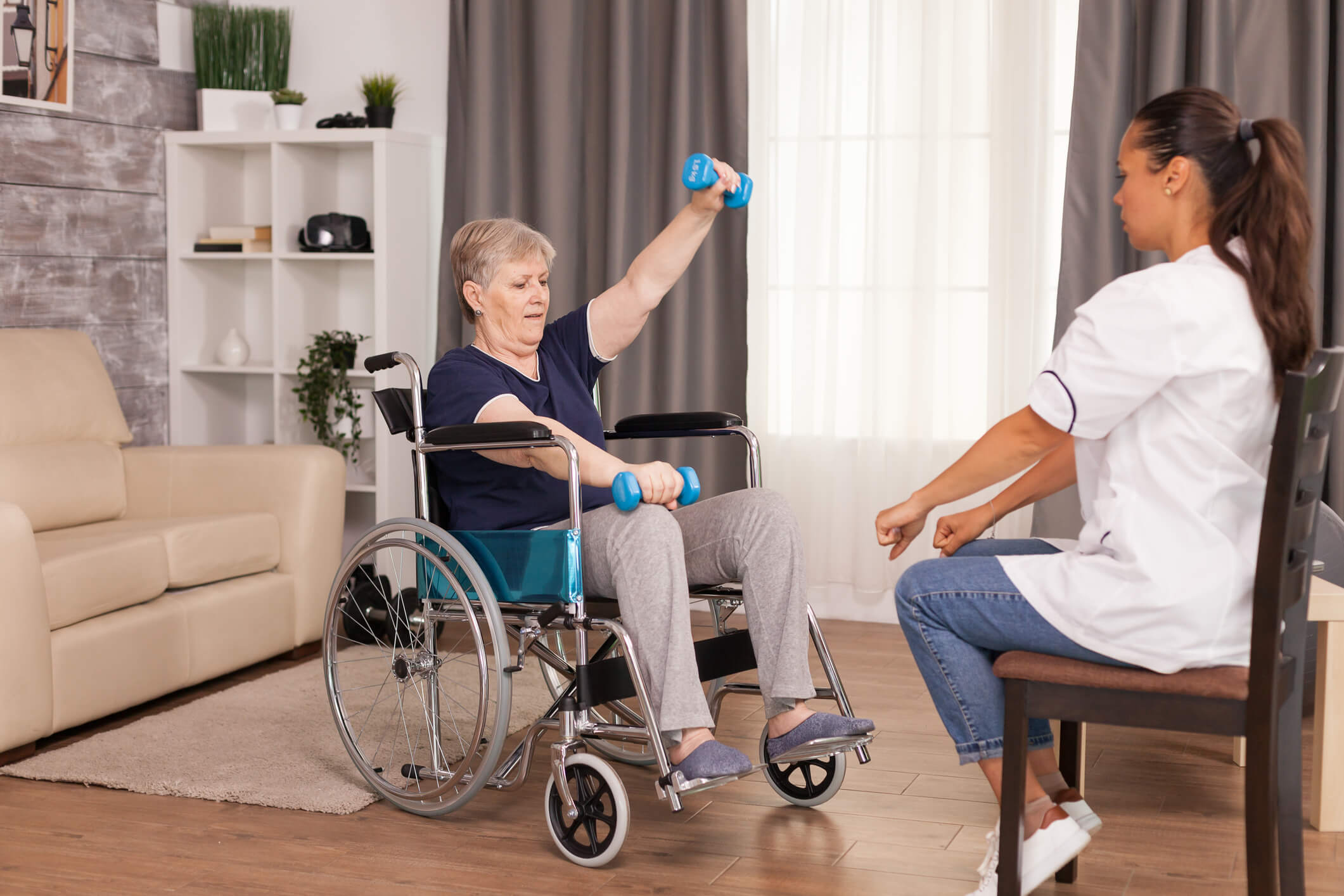
Navigating the world with mobility challenges can be a daunting journey, but the right support and tools can significantly enhance the quality of life for those facing such hurdles. Mobility aids, such as wheelchairs, rollator walkers, and knee scooters, serve as vital lifelines, offering independence and freedom to those who need them. However, the successful integration of these aids into daily life hinges not just on the devices themselves, but on the expert guidance of healthcare professionals. Among these experts, occupational and physical therapists play a pivotal role, ensuring that individuals can use these aids effectively and safely.
Occupational and physical therapy offer more than just temporary solutions; they provide a pathway to a more autonomous and fulfilling life. Through personalized assessment, targeted training, and ongoing support, therapists help bridge the gap between the need for assistance and the desire for independence. They work closely with patients to select the right mobility aid, tailor its use to individual needs, and integrate it into the fabric of daily activities. This blog post will explore the indispensable role that occupational and physical therapy play in using mobility aids, shedding light on how they empower individuals to navigate their environments with confidence.
EZ Walker Rollators is a company at the forefront of providing high-quality mobility aids. With a deep understanding of the challenges faced by those with mobility issues, EZ Walker Rollators stands as a testament to the importance of combining innovative products with professional expertise. Join us as we explore how occupational and physical therapy, together with the right mobility aids, can transform lives by enhancing mobility and independence.
The Role of Occupational Therapy in Mobility Aid Utilization
Occupational therapy stands as a beacon of hope for individuals navigating the challenges of mobility impairments. It's a profession dedicated to empowering people to participate fully in daily activities, regardless of physical limitations. Occupational therapists (OTs) specialize in evaluating and addressing the unique needs of each person, crafting personalized strategies to enhance their ability to engage in everyday tasks. This process is crucial for those who rely on mobility aids to navigate their world.
At the core of occupational therapy is a deep understanding of the relationship between an individual's physical abilities and their environment. OTs conduct comprehensive assessments to determine the most suitable assistive devices for their clients. This evaluation considers several factors, including the nature of the individual’s daily life, their specific needs, and any underlying medical conditions. Whether it’s a manual wheelchair for navigating the workplace or a 4-wheeled walker to ensure safety while moving around the home, the occupational therapist’s goal is to match the mobility aid to the person’s lifestyle and aspirations.
Training and education form another essential part of the occupational therapy process. Once a mobility aid has been selected, OTs work closely with clients to ensure they can use the device safely and effectively. This often involves teaching techniques to improve hand-eye coordination, balance, and the ability to perform fine motor tasks. For someone with cerebral palsy or muscular dystrophy, these sessions are invaluable, helping them to adapt to their assistive device and use it to its fullest potential.
Occupational therapy also extends to adaptive strategies that enable individuals to perform daily activities with greater ease. This might include modifications to the home environment, such as installing grab bars or ramps, or teaching new ways to approach everyday tasks that minimize the risk of falls or injuries. Through these interventions, OTs help people integrate their mobility aids into their daily lives, enhancing their independence and overall quality of life.
The collaborative nature of occupational therapy ensures that each person’s treatment plan is as unique as their circumstances. OTs often work in tandem with physical therapists, physicians, and family members to create a supportive ecosystem around the individual. This multidisciplinary approach is critical in addressing the complex needs of those who depend on mobility aids, ensuring that every aspect of their well-being is considered.
As we explore the profound impact of occupational therapy on the lives of those using mobility aids, it's clear that this profession is about more than just selecting and training individuals in the use of assistive devices. It's about understanding the holistic needs of each person and crafting a path that leads to greater autonomy and a richer, more fulfilling life. This dedication to enhancing daily living is mirrored in the work of companies like EZ Walker Rollators, which provides not just mobility aids, but a gateway to improved independence and quality of life for its customers.
The Contribution of Physical Therapy to Mobility Aid Mastery
While occupational therapy focuses on enabling individuals to perform daily activities with ease, physical therapy (PT) offers a complementary pathway to mobility and independence. This crucial discipline centers on enhancing and restoring physical function and mobility, particularly for those who utilize mobility aids. Physical therapists are experts in the human body's mechanics, employing a variety of techniques to strengthen muscles, increase flexibility, and improve overall mobility. Their work is vital in helping individuals master the use of mobility aids, ensuring these tools effectively contribute to a more active and independent lifestyle.
Physical therapy begins with a thorough initial assessment, where the PT evaluates the individual's physical capabilities, limitations, and goals. This evaluation forms the foundation of a customized treatment plan tailored to address specific challenges, such as strengthening lower limbs for better balance and support when using a walker or enhancing upper body strength for effective wheelchair use. Through targeted exercises and rehabilitation techniques, physical therapists work to mitigate the effects of conditions like muscular dystrophy, cerebral palsy, and other chronic conditions that can impede mobility.
One of the key aspects of physical therapy in the context of mobility aids is the development of motor skills required for optimal device use. For instance, navigating a manual wheelchair or a 4-wheeled walker requires not just physical strength, but also coordination and endurance. PT sessions may include exercises designed to improve hand-eye coordination, enhance muscle control, and build stamina, all of which are essential for proficiently managing a mobility aid. Furthermore, physical therapists provide invaluable guidance on posture and ergonomics, ensuring that the use of mobility aids does not lead to secondary injuries or discomfort.
Physical therapy also plays a significant role in adjusting to and adopting new mobility aids. This transition can be challenging, both physically and emotionally. PTs offer support and encouragement throughout this process, helping individuals build confidence in their ability to navigate different environments and situations with their aids. Through gradual, step-by-step training, patients learn to trust their devices and, by extension, regain trust in their own capabilities.
The benefits of physical therapy extend beyond the mastery of mobility aids; they encompass the enhancement of overall quality of life. By improving physical function and mobility, PTs help individuals participate more fully in meaningful activities, from spending time with family and friends to engaging in hobbies and community events. This active participation fosters a sense of belonging and contributes to emotional and mental well-being.
In synergy with occupational therapy, physical therapy underscores the holistic approach to rehabilitation and the use of mobility aids. Together, these disciplines ensure that individuals receive the comprehensive support they need to live more independently. Companies like EZ Walker Rollators recognize the importance of this integrated approach, offering products that align with the therapeutic goals set by healthcare professionals. Through collaboration with therapists and a deep understanding of their clients' needs, EZ Walker Rollators provides not just mobility aids, but solutions that empower individuals to navigate their world with confidence and dignity.
Integrating Mobility Aids into Everyday Life with Therapy
The journey towards maximizing the use of mobility aids is not solely about selecting the right tool or mastering its functionality; it's profoundly about integrating these aids into the fabric of everyday life. Occupational and physical therapists play a pivotal role in this integration process, ensuring that mobility aids become extensions of the individuals using them, facilitating a seamless blend into their day-to-day activities. This section explores how therapy contributes to making mobility aids a natural part of daily living, enhancing autonomy and independence for users.
The collaboration between occupational therapists (OTs) and physical therapists (PTs) is fundamental in selecting the appropriate mobility aid for each individual's condition and lifestyle. This interdisciplinary approach takes into account the physical requirements for operating the aid, as well as the environmental factors where the aid will be used. For instance, the decision between choosing a power wheelchair versus a manual one involves assessing the user’s upper body strength (a focus of PT) and their daily living tasks and environments (a focus of OT). Such collaboration ensures that the chosen mobility aid is not only physically suitable, but also aligns with the user’s personal, social, and occupational needs.
Once a mobility aid has been selected, the integration process begins. Occupational therapy offers strategies for adapting daily tasks and environments to accommodate the new aid. This might involve rearranging furniture to allow for easier navigation with a walker or implementing adaptive kitchen tools for use while seated in a wheelchair. OTs also provide training on how to perform daily activities safely and efficiently with the aid, such as cooking, bathing, and dressing, ensuring that users can maintain their independence at home and in the community.
Physical therapy complements this by focusing on the physical adaptation to the mobility aid. PTs work with individuals to develop the strength, flexibility, and endurance needed to use their aids effectively, especially in the case of manual wheelchairs or rollators. This includes exercises tailored to improve balance and coordination, reduce the risk of falls, and enhance overall mobility. Through physical rehabilitation, users gain the confidence and physical capability to use their mobility aids in various settings, from navigating the home to accessing community spaces.
The integration of mobility aids into everyday life is a dynamic process that requires ongoing support and adaptation. Therapists often recommend regular follow-ups to adjust the use of the aid as the individual’s needs or environments change. This might include transitioning from one type of aid to another as the user's condition improves or changes, or adapting strategies as the user's lifestyle evolves.
Success stories and case studies highlight the transformative impact of this comprehensive approach. Individuals who once faced significant challenges in mobility and daily activities recount how the integration of the right mobility aid, coupled with targeted therapy, has reopened doors to independence, community participation, and an improved quality of life. These stories not only serve as testimonials to the efficacy of therapy and assistive devices, but also as encouragement to others facing similar challenges.
As we reflect on the role of therapy in integrating mobility aids into daily life, it's clear that this process is about more than just physical mobility; it's about restoring autonomy, dignity, and joy to individuals' lives. EZ Walker Rollators understands this deeply, offering products that support the therapeutic goals of enhancing mobility and independence. By providing a range of high-quality mobility aids and working closely with healthcare professionals, EZ Walker Rollators ensures that each customer receives a solution tailored to their unique journey toward improved daily living.
EZ Walker Rollators: Enhancing Mobility with Expertise
In the journey towards improved mobility and independence, the selection and integration of the right mobility aid are crucial steps. EZ Walker Rollators stands at the forefront of this journey, not just as a provider of mobility aids, but as a partner in enhancing the quality of life for individuals facing mobility challenges. Our commitment to excellence is reflected in our wide range of high-quality products, from wheelchairs and transport chairs to rollator walkers and knee scooters. Each product is designed with the user's needs in mind, supporting their path to greater autonomy and participation in daily life.
At EZ Walker Rollators, we understand that choosing a mobility aid is a significant decision. This is why we pride ourselves on working closely with healthcare professionals, including occupational and physical therapists, to ensure that our products meet the specific needs of each individual. Our collaboration with experts in rehabilitation and therapy allows us to stay informed about the latest advancements in mobility aids and incorporate this knowledge into our offerings. This partnership ensures that when a therapist recommends an EZ Walker Rollators product, they are confident in its ability to enhance their client's mobility and quality of life.
Our commitment to enhancing mobility extends beyond providing high-quality products. We believe in empowering our clients with the knowledge and resources they need to make informed decisions about their mobility aids. Through our website and customer service, we offer educational materials and support, guiding clients through the process of selecting, using, and maintaining their mobility aids. Whether it's advice on choosing the right type of walker or tips for navigating everyday obstacles with a wheelchair, EZ Walker Rollators is dedicated to supporting our clients every step of the way.
Success stories from our clients serve as a testament to the transformative impact of our products, combined with professional guidance from therapists. Individuals who once faced barriers to mobility and independence now share how EZ Walker Rollators has enabled them to engage more fully in their lives, from spending quality time with family to participating in community activities. These stories not only showcase the effectiveness of our products but also inspire others to take steps toward improving their mobility.
As we conclude this exploration of the role of occupational and physical therapy in using mobility aids, it's clear that the journey to enhanced mobility is multifaceted. It requires the expertise of healthcare professionals, the support of companies like EZ Walker Rollators, and the determination of individuals facing mobility challenges. Together, these elements form a powerful alliance in the pursuit of independence and a higher quality of life.
EZ Walker Rollators is more than just a company; we are a partner in your mobility journey. Our dedication to quality, collaboration with healthcare professionals, and commitment to customer education reflect our core belief: that everyone deserves to move through life with confidence and dignity. If you or a loved one are considering a mobility aid, we invite you to explore our range of products and discover how we can support you in achieving greater independence and fulfillment in your daily activities.
Need help finding the right mobility aid for your needs? Contact us today for assistance.