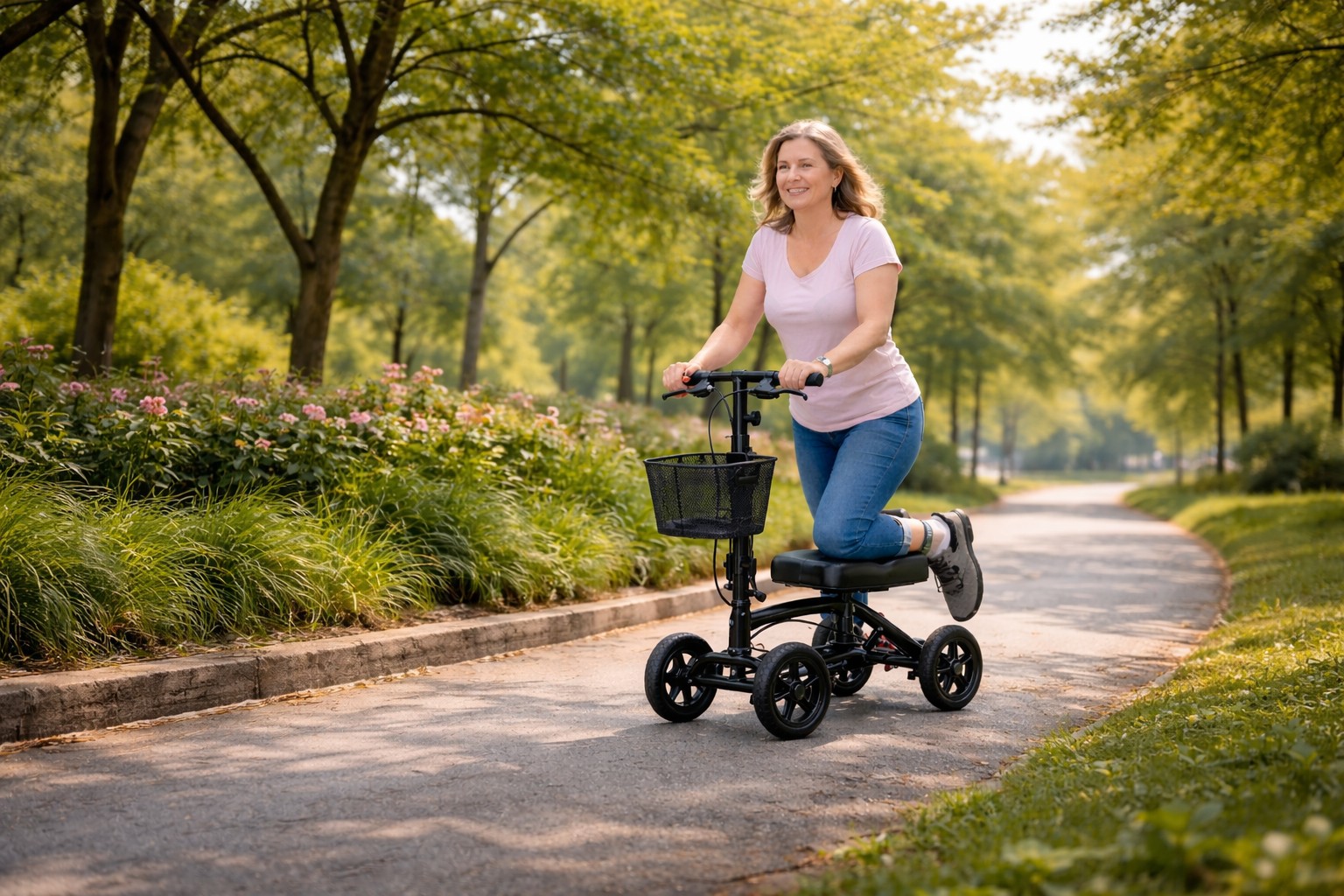
Wheelchairs vs Rollators: Which One is Right for You?

Wheelchairs vs. Rollators: Which One is Right for You?
When it comes to choosing a mobility aid, the decision between a wheelchair and a rollator can be challenging. Both devices offer unique benefits tailored to different needs. Wheelchairs are often preferred by individuals with severe mobility issues, providing robust support and comfort for long distances. On the other hand, rollators are ideal for those with milder mobility challenges, offering a convenient and versatile solution with added features like a comfortable seat and hand brakes. Below we aim to help you determine which mobility device is right for you, providing a detailed comparison to guide your decision.
Understanding Wheelchairs
Wheelchairs are essential mobility aids for individuals with severe mobility challenges. They come in various types, each designed to meet specific needs.
Types of Wheelchairs
- Manual Wheelchairs: These wheelchairs require the user or an attendant to manually push them. They are lightweight, often made from an aluminum frame, making them easy to transport and maneuver. Ideal for individuals with adequate upper body strength.
- Electric Wheelchairs: Powered by batteries, these wheelchairs offer enhanced mobility for users with limited upper body strength. They are equipped with a comfortable seat and can handle long distances with ease.
- Transport Wheelchairs: Designed for short-term use and travel, these are lighter than standard wheelchairs and have smaller rear wheels, requiring an attendant to push. They are perfect for quick trips and easy to store.
Key Features of Wheelchairs
- Aluminum Frame: Provides a durable yet lightweight structure, crucial for ease of use and transportation.
- Comfortable Seat: Ensures long-term comfort, essential for users who spend extended periods in their wheelchair.
- Anti-Tippers and Curb Climbers: Enhance stability and safety, particularly on uneven terrain.
Wheelchairs are ideal for those who need substantial support and cannot walk or stand for long periods. They offer a range of features to accommodate different levels of mobility challenges, making them a versatile choice for many users.
Exploring Rollator Walkers
Rollators are versatile mobility aids designed for individuals with milder mobility challenges who need support while walking. Unlike traditional walkers, rollator walkers are equipped with wheels, making them easier to maneuver and more adaptable to various terrains.
Types of Rollators
- 3-Wheel Rollators: These are lightweight and highly maneuverable, making them ideal for navigating tight spaces. However, they offer less stability compared to their 4-wheel counterparts.
- 4-Wheel Rollators: These provide greater stability and often come with a comfortable seat, making them suitable for outdoor use and longer distances. They usually include features like hand brakes and a storage basket.
- Upright Rollators: Designed to promote better posture, these rollators have adjustable handle heights and support users in an upright position, reducing strain on the back and shoulders.
Key Features of Rollators
- Hand Brakes: Essential for safety, allowing users to control their speed and stop easily.
- Front Wheels and Rear Wheels: The combination of these wheels enhances maneuverability and stability, especially on uneven terrain.
- Handle Height: Adjustable handles ensure the rollator can be customized to the user’s height for optimal comfort and support.
- Comfortable Seat: Many rollators come with a built-in seat, providing a place to rest during longer walks.
Rollators are ideal for individuals who need a balance of support and mobility. They offer convenience, especially for those who are still relatively active, but need some assistance with balance and endurance. Whether it's a wheel rollator or an upright walker, these assistive devices can significantly enhance daily living.
Comparing Benefits and Drawbacks
Choosing between a wheelchair and a rollator depends on various factors, including the user's mobility needs, lifestyle, and personal preferences. Here's a closer look at the benefits and drawbacks of each mobility aid.
Wheelchairs: Benefits and Drawbacks
Benefits:
- Stability and Support: Ideal for users with severe mobility challenges or those who cannot walk or stand for long periods.
- Variety: Options like manual, electric, and transport wheelchairs cater to different needs and preferences.
- Comfort: Features like a comfortable seat and anti-tippers ensure safety and ease of use.
Drawbacks:
- Portability: Wheelchairs, especially electric ones, can be bulky and difficult to transport.
- Dependence: Users often require assistance to navigate, particularly with manual and transport wheelchairs.
- Cost: Electric and power wheelchairs can be expensive, including ongoing maintenance costs.
Rollators: Benefits and Drawbacks
Benefits:
- Maneuverability: Rollators, with their wheels and hand brakes, are easy to maneuver, making them ideal for indoor and outdoor use.
- Convenience: Features like a comfortable seat and storage basket add convenience for daily activities.
- Promotes Independence: Suitable for users who need mild to moderate support but can still walk and stand independently.
Drawbacks:
- Stability: Less stable than wheelchairs, especially for users with severe mobility challenges.
- Terrain Limitations: May struggle on uneven terrain or long distances, depending on the model.
- Weight and Size: Larger rollators can be cumbersome to transport and store.
Comparison Table
By understanding these benefits and drawbacks, users can make a more informed decision about which mobility aid best suits their needs and lifestyle.
Assessing Individual Needs
Choosing the right mobility aid involves considering various personal factors and specific needs. Here’s a guide to help you assess which device might be best for you.
Evaluating Your Mobility Requirements
- Medical Advice: Always consult with your healthcare provider to understand your mobility challenges and get personalized recommendations. Medical professionals can provide insights into whether a wheelchair or rollator is more suitable based on your health condition and mobility disability.
- Upper Body Strength: If you have sufficient upper body strength, a manual wheelchair might be manageable. However, if you struggle with this, an electric wheelchair or a rollator could be more appropriate.
- Daily Routine and Environment: Consider your daily activities and the environments you frequent. For instance, if you often navigate uneven terrain, a rollator with large front wheels might be beneficial. Conversely, if you need to cover longer distances regularly, a wheelchair might be more suitable.
- Individual Needs: Your personal preferences and lifestyle play a crucial role. Think about factors like portability, ease of use, and the type of support you need. For example, if you travel frequently, a lightweight transport chair or a rollator that fits in an overhead compartment might be ideal.
Important Considerations
- Terrain: Assess the typical terrain you navigate. Rollators are excellent for flat, even surfaces but may struggle on uneven ground. Wheelchairs, particularly those with anti-tippers and curb climbers, offer more stability on varied terrains.
- Daily Use: Reflect on your daily routine. Do you need a mobility aid for short trips or extended periods? Rollators offer flexibility for daily errands and short walks, while wheelchairs provide more robust support for prolonged use.
- Living Environment: Consider your home and surrounding environment. Tight spaces might be easier to navigate with a 3-wheel rollator, while a wheelchair might be necessary for larger, more open areas.
By carefully evaluating these aspects, you can make an informed decision that aligns with your lifestyle and mobility needs. Always prioritize comfort, safety, and ease of use when selecting a mobility aid.
Choosing the Right Mobility Aid
Deciding between a wheelchair and a rollator ultimately comes down to assessing your unique needs and lifestyle. Wheelchairs provide robust support and stability for individuals with severe mobility challenges, making them ideal for long-term use and more demanding environments. Rollators, on the other hand, offer versatility and ease of use for those who need mild to moderate support while maintaining an active lifestyle.
Overall, it’s important to keep in mind the following:
- Wheelchairs are best for those with severe mobility challenges, offering stability, various options (manual, electric, transport), and comfort features like a comfortable seat and anti-tippers.
- Rollators are suitable for those with milder mobility issues, providing maneuverability, convenient features (hand brakes, comfortable seat), and independence in daily activities.
When choosing a mobility aid, consider factors like your upper body strength, daily routine, typical environments, and specific needs. Consulting with a healthcare provider can provide valuable medical advice tailored to your situation.
Discover the Value and Benefits of EZ Walker Rollators
At EZ Walker Rollators, we understand that selecting the right mobility aid is crucial for enhancing your quality of life. Our extensive range of mobility products, including wheelchairs, rollators, and other assistive devices, are designed to meet diverse needs and preferences. With a focus on quality, comfort, and reliability, we aim to help you find the perfect solution to your mobility challenges.
Explore our collection of mobility aids today and discover how EZ Walker Rollators can support your journey to improved mobility and independence.