How to Choose a Rollator Walker for Indoor vs Outdoor Use
Why Choosing the Right Rollator Matters for Everyday Mobility
Finding the right rollator walker can make everyday movement feel safer, easier, and far more comfortable. But with so many styles and features available, it’s not always obvious which type is best for your lifestyle. A rollator that works well inside the home may not perform as smoothly outdoors, while a heavier all terrain rollator walker designed for sidewalks and uneven paths can sometimes feel bulky in smaller indoor spaces.
That’s why it’s important to think about how and where you plan to use your mobility aid most often. Some people primarily need support while moving around the house, navigating narrow hallways, kitchens, or bathrooms. Others want a rollator walker that helps them stay active outdoors during walks, errands, travel, or social activities. In many cases, users need a balance of both indoor maneuverability and outdoor stability.
This guide will walk you through the key differences between indoor and outdoor rollator walkers, including wheel size, frame design, comfort features, portability, and terrain performance. Whether you’re searching for a lightweight rollator walker for daily indoor use or a more durable walker with seat support for outdoor mobility, understanding these differences can help you choose an option that fits your needs with confidence.
The best rollator walker is not simply the most expensive or feature-packed model — it’s the one that helps you move comfortably, safely, and independently in the environments you use every day.
What Makes a Rollator Better for Indoor Use?
When choosing a rollator walker for indoor use, maneuverability and ease of movement often matter more than rugged durability. Inside the home, users are navigating tighter spaces like hallways, kitchens, bedrooms, and bathrooms, which means a bulky or oversized rollator can quickly become frustrating to use. A lightweight rollator walker with a narrower frame is typically easier to turn, position, and store throughout the day.
One of the most important indoor-friendly features is a tight turning radius. Smaller rollator walkers are often easier to guide around furniture, corners, and narrow walkways without needing large adjustments or extra effort. Lightweight frames can also make everyday tasks feel less physically demanding, especially for users who may already struggle with balance, fatigue, or limited mobility.
Wheel size also plays a major role indoors. Smaller wheels generally perform well on smooth interior flooring like hardwood, tile, laminate, or carpet because they prioritize control and maneuverability over rough-terrain performance. Many indoor rollator walkers are designed specifically to feel stable and responsive without taking up unnecessary space.
Storage and portability can also make a noticeable difference. Foldable rollator walkers are often easier to place beside furniture, tuck into closets, or transport in vehicles when needed. Many models also include convenient storage bags or baskets that help users carry personal items, medications, phones, or groceries throughout the home without needing additional assistance.
For many seniors and individuals recovering from injury or surgery, indoor mobility aids are about more than convenience — they help support confidence and independence during everyday routines. Choosing a rollator walker that feels comfortable and easy to control indoors can make daily movement smoother, safer, and far less stressful.
What Makes a Rollator Better for Outdoor Use?
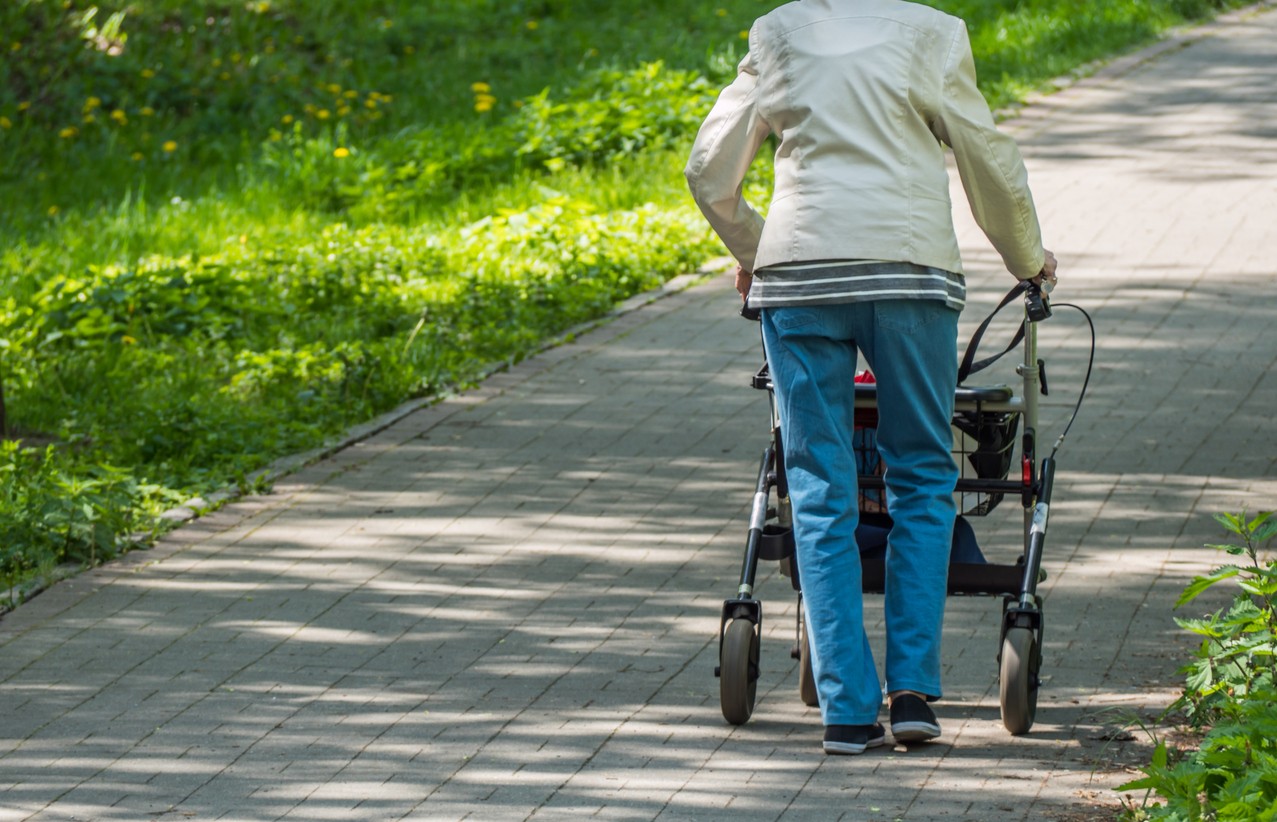
Outdoor environments often require a different type of rollator walker than what works best indoors. Sidewalk cracks, uneven pavement, gravel paths, grass, and longer walking distances can all place more demands on a mobility aid. That’s why many outdoor-focused rollator walkers are designed with larger wheels, stronger frames, and added stability features that help users move more confidently across changing terrain.
One of the biggest differences between indoor and outdoor rollators is wheel size. Larger wheels generally provide a smoother ride outdoors because they roll more easily over bumps, cracks, and uneven surfaces. Many all terrain rollator walker models also include treaded tires that improve traction and help users feel more secure while walking outside. This added stability can make a noticeable difference during longer walks, neighborhood outings, or trips through parks, parking lots, and shopping areas.
Frame durability is another important factor. Outdoor rollator walkers are often built with stronger materials that provide additional support and balance while moving across rougher terrain. Although these models may be slightly heavier than compact indoor rollators, many users appreciate the extra sense of control and steadiness they provide outdoors.
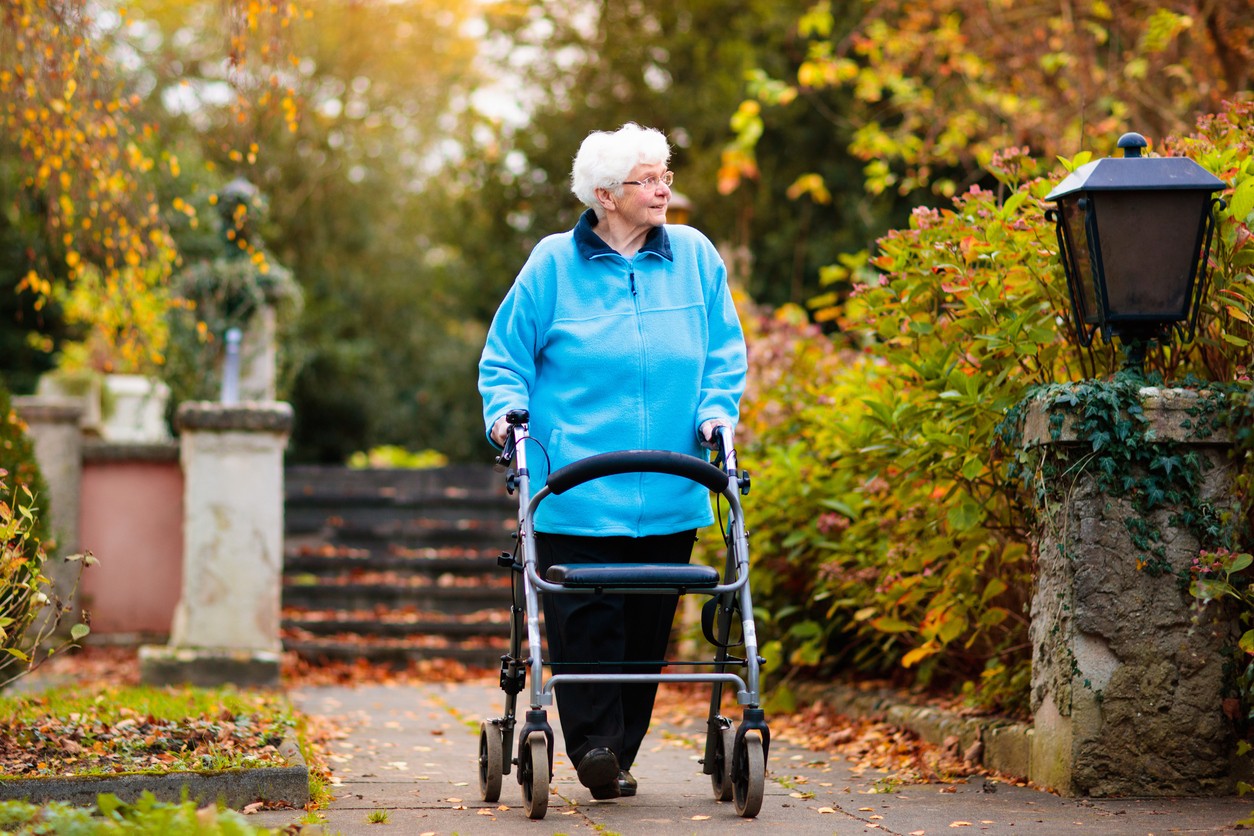
Comfort features also become more important during outdoor use. A padded walker with seat allows users to rest comfortably during walks or outings without needing to search for nearby seating. Storage bags and baskets can also make errands or travel easier by keeping personal items within reach while leaving both hands free for safe mobility.
Braking systems are especially important outside the home. Reliable hand brakes help users maintain control on slopes, uneven surfaces, and crowded public spaces. Writers should emphasize that strong brakes and overall stability are key safety features when selecting a rollator walker for outdoor use.
For active seniors and individuals who enjoy spending time outside, the right outdoor rollator can provide more than mobility support — it can help maintain independence, confidence, and freedom to stay engaged in everyday activities.
How to Decide Which Rollator Walker Fits Your Lifestyle
Choosing the best rollator walker often comes down to understanding your daily routine, mobility needs, and the environments you move through most often. While some users prioritize lightweight maneuverability indoors, others may need a sturdier model built for outdoor walks, errands, or extended use throughout the day. The right mobility aid should feel supportive and comfortable without making movement more difficult or tiring.
One of the first things to consider is where the rollator will be used the majority of the time. Someone living in a smaller apartment or navigating narrow hallways may benefit from a more compact and lightweight rollator walker that is easy to turn and store. On the other hand, users who spend more time outdoors may feel more comfortable with larger wheels, stronger frames, and better stability for sidewalks or uneven surfaces.
Lifestyle also plays an important role. Active seniors who enjoy walking outdoors, shopping, traveling, or attending social activities often prefer rollator walkers with seats, storage compartments, and durable wheel systems that support longer outings. Individuals recovering from surgery or managing fatigue may prioritize comfort features that reduce strain and allow for frequent breaks throughout the day.
Transportation and storage should also factor into the decision. Foldable rollator walkers are often easier to place in a vehicle, store at home, or bring along during travel. Users who frequently move their mobility aid in and out of cars may want a model that balances durability with manageable weight.
It’s also important to think about comfort and confidence during everyday use. A rollator walker should feel stable, easy to control, and properly fitted to the user’s height and walking style. Features like adjustable handles, ergonomic grips, and responsive brakes can make a significant difference in overall comfort and safety over time.
Ultimately, the best rollator walker is the one that fits naturally into your daily life and helps you move more comfortably, safely, and independently both inside and outside the home.