How to Choose the Right Knee Walker Rental for Your Needs
In a world where mobility is key, finding the right knee walker can greatly enhance your recovery experience. Whether you're healing from a knee injury, surgery, or simply need assistance in getting around, choosing the right knee walker is essential. In this comprehensive guide, we will walk you through the process of selecting the perfect knee walker to suit your specific needs, ensuring a comfortable and efficient recovery journey.
Increased Mobility
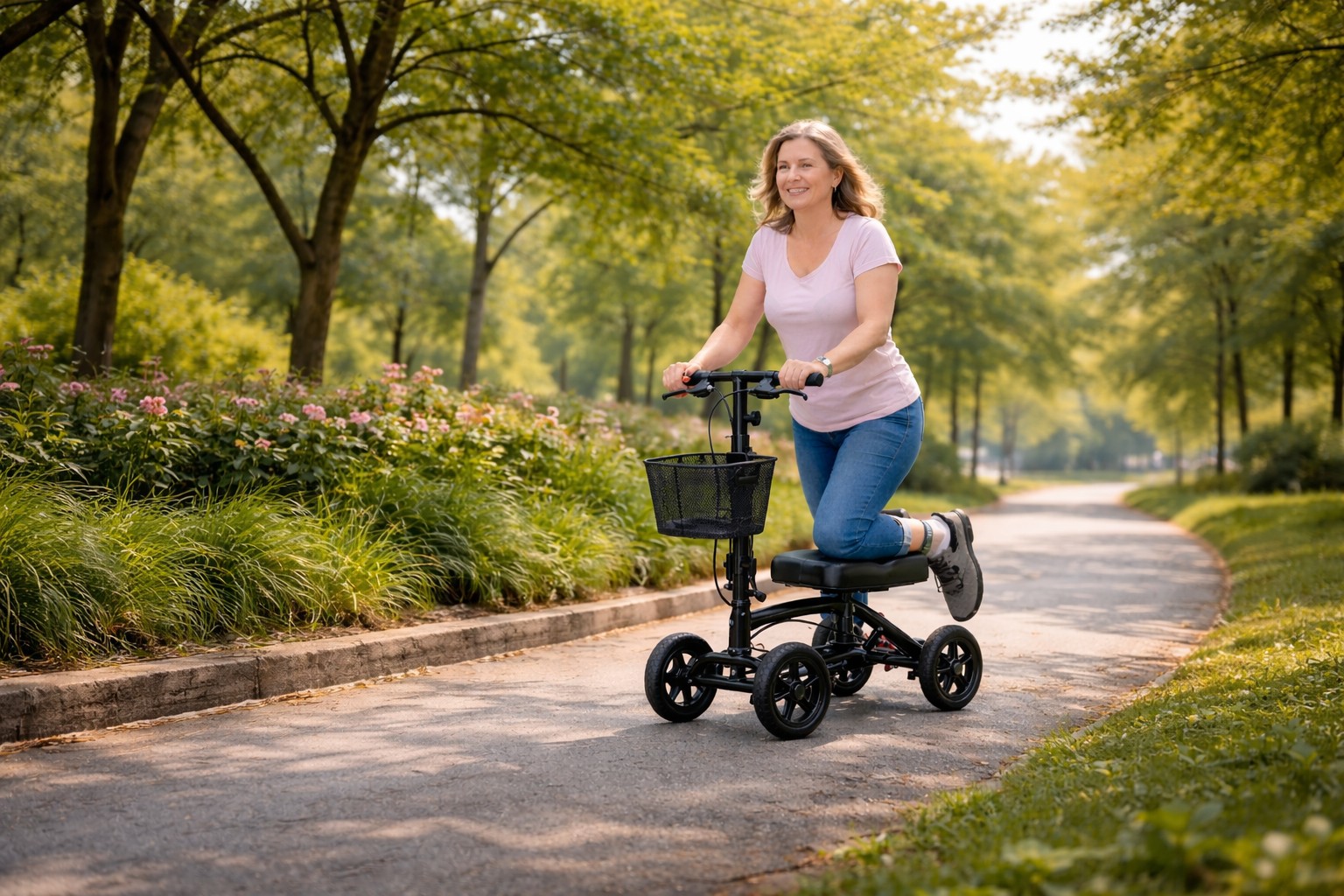
Knee walkers provide a convenient alternative to crutches or traditional walkers. With a knee walker, you can effortlessly glide along, giving you the freedom to move without putting weight on your injured leg. This increased mobility allows you to navigate both indoor and outdoor environments with ease.
Faster Recovery
By reducing the strain on your injured leg, knee walkers promote a faster and more efficient recovery process. Unlike crutches, which can lead to discomfort and fatigue, knee walkers offer a comfortable and stable platform for movement, helping you maintain an active lifestyle during the healing process.
Reduced Strain on Other Body Parts
Crutches require upper body strength and put strain on your hands, wrists, and underarms. In contrast, knee walkers provide a more balanced weight distribution, minimizing the strain on other body parts. This can prevent secondary injuries and discomfort often associated with prolonged use of crutches.
Factors to Consider When Choosing a Knee Walker
Selecting the right knee walker requires careful consideration of various factors. Here are some key aspects to keep in mind:
Cost
Evaluate your budget and explore knee walker options within your price range. Consider the long-term benefits and durability of the product when assessing its value.
Weight Capacity
Ensure that the knee walker you choose can support your body weight. Manufacturers usually specify the maximum weight capacity of their products, so check the specifications before making a decision.
Adjustability
Look for a knee walker with adjustable height and handlebars. This allows for customization based on your height and comfort preferences, ensuring a proper fit for optimal mobility.
Portability
Consider the portability of the knee walker, especially if you plan to travel frequently or need to transport it between different locations. Look for lightweight models that are easy to fold and store in tight spaces.
Braking System
A reliable braking system is crucial for safety and stability. Check if the knee walker has a secure braking mechanism that allows you to stop or lock the wheels when necessary.
Comfort Features
Look for knee walkers with comfortable knee pads and cushioning to minimize discomfort during use. Ergonomic handlebars and additional features like baskets or storage compartments can also enhance your overall experience.
Durability
Invest in a knee walker made from high-quality materials that can withstand daily use. Durability ensures that your knee walker will last throughout your recovery journey.
Types of Knee Walkers
Knee walkers come in various types, each designed to cater to specific needs. Familiarize yourself with the different options to make an informed decision:
Standard Knee Walkers
Standard knee walkers are the most common type and suitable for most individuals. They feature a stable frame with handlebars and a padded knee rest for comfort. Standard knee walkers are ideal for everyday use and indoor environments.
All-Terrain Knee Walkers
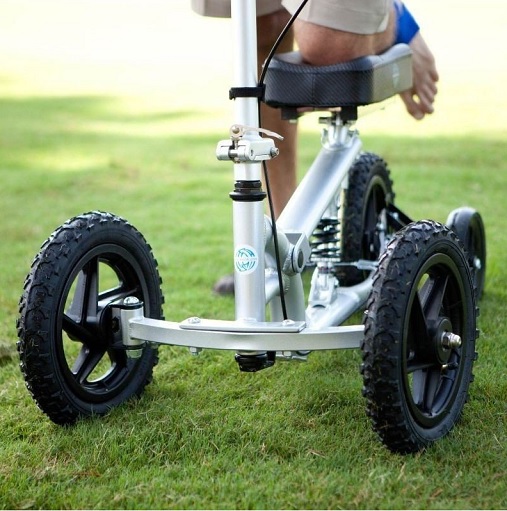
For those who require outdoor mobility on different terrains, all-terrain knee walkers are the perfect choice. They have larger, rugged wheels designed to navigate uneven surfaces, grass, gravel, and even sand.
Pediatric Knee Walkers
Specifically designed for children or individuals with smaller frames, pediatric knee walkers offer the same benefits as standard knee walkers but with size-appropriate dimensions and adjustments.
Bariatric Knee Walkers
Bariatric knee walkers are designed to accommodate individuals with higher body weights. They feature reinforced frames and wider knee pads to ensure stability and comfort.
How to Properly Size a Knee Walker
Proper sizing of a knee walker is crucial for optimal comfort and functionality. Follow these steps to ensure a proper fit:
Measuring the User's Height: Start by measuring the user's height. Adjust the knee walker's handlebars to a level that allows for comfortable arm positioning and a slight bend in the elbows.
Ensuring Proper Leg Positioning: Position the knee rest at a height that allows the injured leg to rest comfortably with the knee bent at a 90-degree angle. This helps prevent strain and discomfort while using the knee walker.
Adjustable Features for Customization: Take advantage of any adjustable features on the knee walker. Adjust the knee rest, handlebars, and other settings to suit the user's specific body proportions and comfort preferences.
By properly sizing the knee walker, you can ensure a comfortable and ergonomic fit that supports proper posture and allows for smooth mobility throughout your recovery process.
Maintaining and Cleaning Your Knee Walker
To keep your knee walker in optimal condition and extend its lifespan, regular maintenance and cleaning are essential. Follow these guidelines:
Regular Inspections: Routinely inspect your knee walker for any signs of wear, loose screws, or damaged parts. Address any issues promptly to prevent further damage or potential safety hazards.
Lubrication of Moving Parts: Apply lubricant to the moving parts of the knee walker, such as the wheels and brake mechanism, to ensure smooth operation. Consult the manufacturer's guidelines for specific lubrication recommendations.
Cleaning and Disinfecting: Regularly clean and disinfect your knee walker to maintain hygiene. Wipe down the frame, knee rest, handlebars, and other surfaces with a mild detergent or disinfecting solution. Pay extra attention to areas that come into contact with the user's body.
By following these maintenance and cleaning practices, you can keep your knee walker in optimal condition, ensuring its longevity and hygienic use throughout your recovery period.
Frequently Asked Questions (FAQ)
FAQ 1: Can I use a knee walker on stairs?
Using a knee walker on stairs is not recommended. Knee walkers are designed for flat surfaces and are not suitable for navigating stairs. Exercise caution and explore alternative options, such as handrails or stairlifts, for safe stair mobility.
FAQ 2: Are knee walkers covered by insurance?
Insurance coverage for knee walkers may vary. It is advisable to check with your insurance provider to determine if knee walkers are covered under your policy. Provide any necessary documentation, such as a prescription from your healthcare professional, to support your claim if needed.
FAQ 3: Can knee walkers be used outdoors?
Yes, knee walkers can be used outdoors. However, the type of knee walker you choose will determine its suitability for different outdoor surfaces. All-terrain knee walkers are specifically designed for outdoor use and can handle various terrains, including uneven surfaces and rough terrain.
FAQ 4: How do I know if a knee walker is the right choice for me?
A knee walker may be a suitable choice if you have a lower leg injury or limited mobility that restricts weight-bearing on one leg. Consult with your healthcare professional or physical therapist to determine if a knee walker is appropriate for your specific condition and recovery needs.
FAQ 5: Can I sit on a knee walker?
Most knee walkers are not designed for sitting. However, some models may offer additional features that allow for temporary sitting when needed. Refer to the manufacturer's instructions and specifications to see if the knee walker you choose provides a sitting option.
FAQ 6: Are knee walkers suitable for all ages?
Knee walkers can be used by individuals of various ages, depending on their specific mobility needs. However, it is important to consider the weight capacity and adjustability of the knee walker to ensure a proper fit and safe usage, particularly for pediatric users or individuals with higher body weights.
FAQ 7: Can knee walkers be used after ankle surgery?
Yes, knee walkers are commonly used after ankle surgery to provide support and aid in mobility during the recovery process. Consult with your healthcare professional to determine if a knee walker is suitable for your specific post-operative needs and follow their guidance for proper usage.
Now that the outline is complete, please let me know if you would like any additional H2 headings with relevant H3 subheadings or if you have any revisions. Once you agree with the outline, please proceed with the comprehensive article, formatted using markdown language, based on the given instructions.