Knee Scooters for Post-Surgery Recovery: What You Need to Know

Why Knee Scooters Are a Smart Post-Surgery Solution
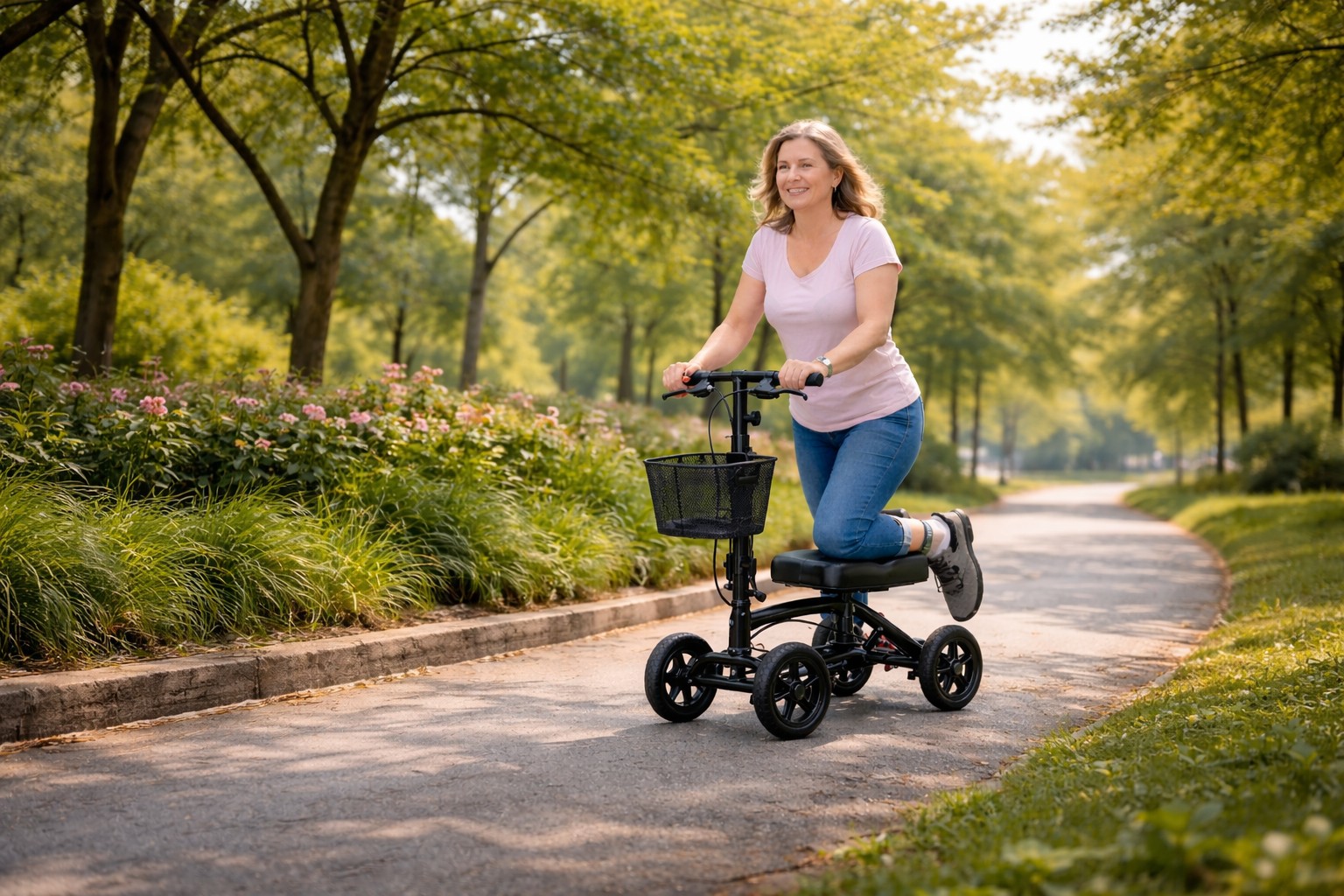
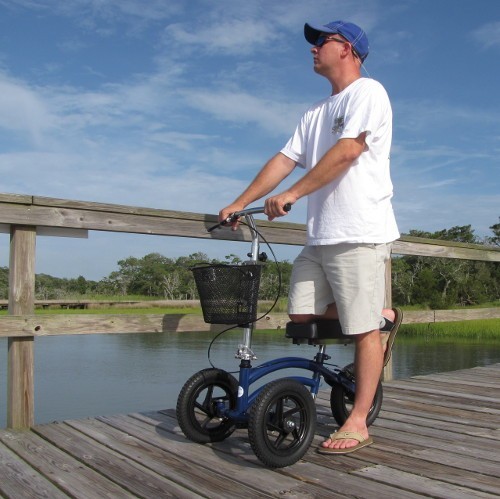
After surgery, especially on the foot, ankle, or lower leg, mobility becomes a challenge. Tasks that once took seconds—walking to the kitchen, moving through a tight space, getting dressed—suddenly require planning and support. This is where a knee scooter (also called a knee walker) becomes more than just a mobility aid. It becomes a tool for freedom. For patients in a non-weight bearing recovery phase, a knee scooter offers stability, control, and ease of movement. Whether recovering from ankle surgery, a spiral fracture, or a knee injury, many people find it easier to navigate daily life on wheels rather than with the arm fatigue and awkward movement that often come with crutches. Unlike a standard walker or a mobility scooter, a knee walker supports your injured leg while allowing the healthy leg to propel movement forward. The result? Faster routines, less frustration, and a lower risk of falls during the critical healing process. Surgeons and healthcare providers often recommend knee scooters during post-surgery recovery because they: • Reduce upper body strain • Improve balance and control • Allow for easier transitions between rooms and surfaces • Encourage independence during the recovery period From short hallway trips to longer outings, the right scooter supports your specific needs and helps protect your injured foot or lower leg as it heals. And when every step counts, having a stable, well-designed mobility device can make the entire recovery process smoother and more manageable.
Key Benefits That Make Recovery Easier
Choosing the right mobility aid after surgery can change everything about your daily comfort and pace of recovery. A knee scooter provides more than mobility—it restores independence, eases pressure on your body, and helps you move through the world with less friction during your healing process. Here are the biggest advantages of using a knee walker during the post-surgery recovery period:
Superior Stability Over Crutches
Unlike a crutch, which demands upper-body strength and balance, a knee walker offers a grounded, stable base. You glide forward without the risk of losing balance, making it easier to trust each step and reduce your fall risk—especially in high-traffic or uneven areas.
Reduced Strain on Arms, Shoulders, and Wrists
Extended crutch use leads to fatigue and joint pain. With a knee scooter, your hands stay free and your body experiences less stress. You steer instead of swing, keeping your posture aligned and muscles more relaxed over longer periods.
Padded Knee Support for Comfort
A well-designed knee platform or knee pad cushions your injured leg, preventing soreness and pressure points. This makes it easier to stay mobile throughout the day without needing breaks every few minutes.
Increased Mobility Through Tight Spaces
Whether you're navigating your home, a grocery aisle, or a narrow hallway, a knee scooter offers the agility to move smoothly through a tight space. This allows for more freedom indoors without constantly adjusting or turning awkwardly like you might with a walker.
Improved Independence During Recovery
One of the most overlooked benefits of a knee scooter is how it restores autonomy. You’re not reliant on others to carry items, hold you steady, or assist with movement. This return to independence plays a real role in how quickly and confidently you move through your recovery process.
Support for a Range of Injuries
From ankle injuries and spiral fractures to knee injuries and post-operative conditions, knee walkers serve a wide variety of cases. They're especially beneficial for any non-weight bearing recovery where protecting the lower leg is essential.
What to Look for When Choosing a Knee Scooter
Not all knee scooters are built the same. Choosing the right model can significantly affect how smoothly your recovery goes—not just in terms of comfort, but also in how easily you can maintain your independence during the healing period. Start with the basics: the scooter should feel stable, roll smoothly, and fit your body’s proportions. From there, the right features will depend on your specific needs, recovery environment, and how long you expect to use the device. Here are the key features that matter most when selecting a knee scooter: • Adjustable height: Both the handlebar and knee platform should adjust to suit your height. Proper alignment helps prevent back strain and ensures the best ergonomic fit for longer use. • Knee pad comfort: Look for a cushioned, contoured knee pad that supports your injured leg without causing pressure or discomfort. Flat or overly hard padding can lead to soreness or reduced circulation over time. • Wheel type and size: Larger wheels with good traction provide smoother rides over uneven surfaces. Smaller wheels may be lighter, but they’re often less stable outdoors or on carpets. • Steering mechanism: A responsive turning system is critical for navigating through doorways, around furniture, or across busy clinics and hallways. Four-wheel designs tend to offer greater stability, while some three-wheel models provide tighter turns in tight spaces. • Foldability and weight: If you need to transport your scooter in a car or store it when not in use, a foldable frame and lightweight design will make handling easier. • Brake system: Hand brakes allow you to stop securely and keep your scooter stable while parked. Look for a locking brake that holds the scooter in place when needed. • Weight capacity: Each knee walker has a maximum load rating. Make sure your selection supports your weight for safe use and better long-term durability. A well-matched mobility device won’t just help you get around—it will actively support your recovery process. That means fewer delays, fewer setbacks, and a more comfortable journey toward proper healing.
How to Use a Knee Scooter Safely and Effectively
A knee scooter is easy to use once it’s properly adjusted, but using it safely still takes some awareness—especially during the early days of your post-surgery recovery. The goal isn’t just to get moving again, but to support the injured leg, avoid setbacks, and move through your day with confidence. Follow these simple but essential tips to stay safe and get the most out of your knee walker: • Adjust to fit your height Make sure the handlebars and knee platform align with your natural posture. You shouldn’t need to lean forward or hunch your shoulders while moving. • Always lead with your good leg Use your strong, weight-bearing leg to propel yourself forward. Keep your injured foot elevated and securely resting on the padded platform. • Use brakes when stopping or parked Many scooters come with hand-operated brakes. Always engage them when stopping, resting, or transitioning to standing to prevent rolling. • Turn slowly and avoid sharp pivots Especially in the beginning, take corners carefully. Turning too sharply can unbalance the scooter—particularly in small or tight spaces. • Be mindful on ramps or inclines Even with good brakes, descending too quickly on an incline can feel unstable. Go slowly and keep both hands on the handlebars at all times. • Avoid overreaching Don’t lean far forward or to the side while rolling or parked. Doing so can shift your center of gravity and put pressure on your injured leg. • Practice indoors before going outside Before venturing into busy areas or uneven sidewalks, get comfortable with maneuvering indoors, especially through doorways or corners. With the right habits, a knee scooter becomes more than just a substitute for a walker or crutch—it becomes a reliable part of your recovery routine, helping you move freely while keeping the injured foot or lower leg supported and safe.
Should You Rent or Buy a Knee Scooter?
One of the most common questions after surgery is whether to rent or buy a knee scooter. The answer usually comes down to how long you’ll need the device—and how much flexibility you want during the recovery period. For most people, post-surgery recovery lasts anywhere from a few weeks to two months, depending on the type of ankle injury, lower leg injury, or knee surgery. In these cases, renting a knee walker is often the more cost-effective, hassle-free option. Here’s why renting may be the better choice: • It saves money when you only need the scooter temporarily • No long-term storage issues once you’re fully healed • Maintenance and replacement are handled by the rental provider • Try-before-you-buy flexibility, in case your needs change during recovery On the other hand, buying makes more sense if: • You anticipate needing the scooter long-term (for chronic conditions or multiple procedures) • You want a specific model with custom features • You’re a caregiver or family managing recurring non-weight bearing needs For the vast majority of patients recovering from a spiral fracture, ankle surgery, or a knee injury, the decision to rent gives you the equipment you need without the long-term commitment or cost. And in many cases, a rented mobility scooter or seated knee scooter will be professionally cleaned, adjusted, and ready for immediate use—making the transition to mobility smoother during the most critical stage of healing.
Recover Comfortably with Help from EZ Walker
At EZ Walker, we understand that recovery isn’t just about healing—it’s about maintaining as much normalcy and independence as possible along the way. That’s why we focus on providing mobility aids that truly support the needs of people going through post-operative care, especially after foot, ankle, and lower leg injuries. When you’re facing weeks—or even months—of non-weight bearing mobility, a high-quality knee scooter can completely change the tone of your recovery. Instead of being restricted to bed or limited by crutches, you can move through your home, navigate appointments, and get back to your daily activities with more control and comfort. We carry a wide selection of knee walkers and seated knee scooters, including models designed for both indoor and outdoor use. Whether you’re recovering from ankle surgery, a knee injury, or a spiral fracture, our equipment gives you the freedom to keep going without putting strain on your injured leg. Each scooter is clean, well-maintained, and adjustable to meet your specific needs. Ready to get moving again? Contact our team today. We’re here to help you recover—with comfort and confidence.