Traveling with Mobility Aids: Tips for a Stress-Free Journey
Travelling with a mobility aid can be a smooth experience if you do your research and follow the right steps. You might have recently recovered from an injury, been diagnosed with a long-term illness, or simply want assistance in moving freely. The right planning and preparation can help you enjoy the journey just as much as the destination.
Plan Ahead: Know the Rules for Traveling with Mobility Devices
Planning is a very important thing that you must do if you are preparing to travel with a walking aid. The different modes of transportation have different rules and procedures that you should follow when you use mobility aids, and this is even more critical for airlines since they have the strictest set of rules. A little research and communication at an early stage of your trip can help you avoid issues on the day of your trip.
Research airline policies on mobility aid transportation. It is important to check the policies of your airline regarding the transportation of your mobility aid. This concern by a specific airline can have its policy, for example, some airlines will be glad to stow this passenger’s assistive device in the cabin in case the device is foldable or collapsible, something that is in a complete contrast, while others may choose carriage in the cargo hold for which no extra charge is involved. Whether it’s a manual wheelchair or a walking stick, make sure to check the policy of the airline you are using and then go ahead and book your ticket.
Make sure to contact your transportation provider in advance. Do not leave the arrangement of assistance until the trip day. If you are going to fly, contact the airline and let them know you will be needing a special service such as pre-boarding, a wheelchair, or assistance to go through security if you have difficulty walking. The train and bus companies often, if not always, have such services, and you only need to remember to book them in advance.
Print and bring some form of identification for your walking aid. In the case of your walking aid being a prescribed medical device, take along the doctor's note or the prescription. This may help you during an airport screening or both, in the checking of your mobility device at the gate. In case the device is complicated, it makes sense to bring a printed instruction or a product manual so that the staff can handle it appropriately.
Choosing the Right Walking Aid for Your Trip
Your regular walking aid is likely not the best choice for travellers. Think about where you want to go, your mode of transportation, and how long you plan on walking, and then make the choice. A good walking aid is the most important factor when it comes to your comfort and confidence during the trip.
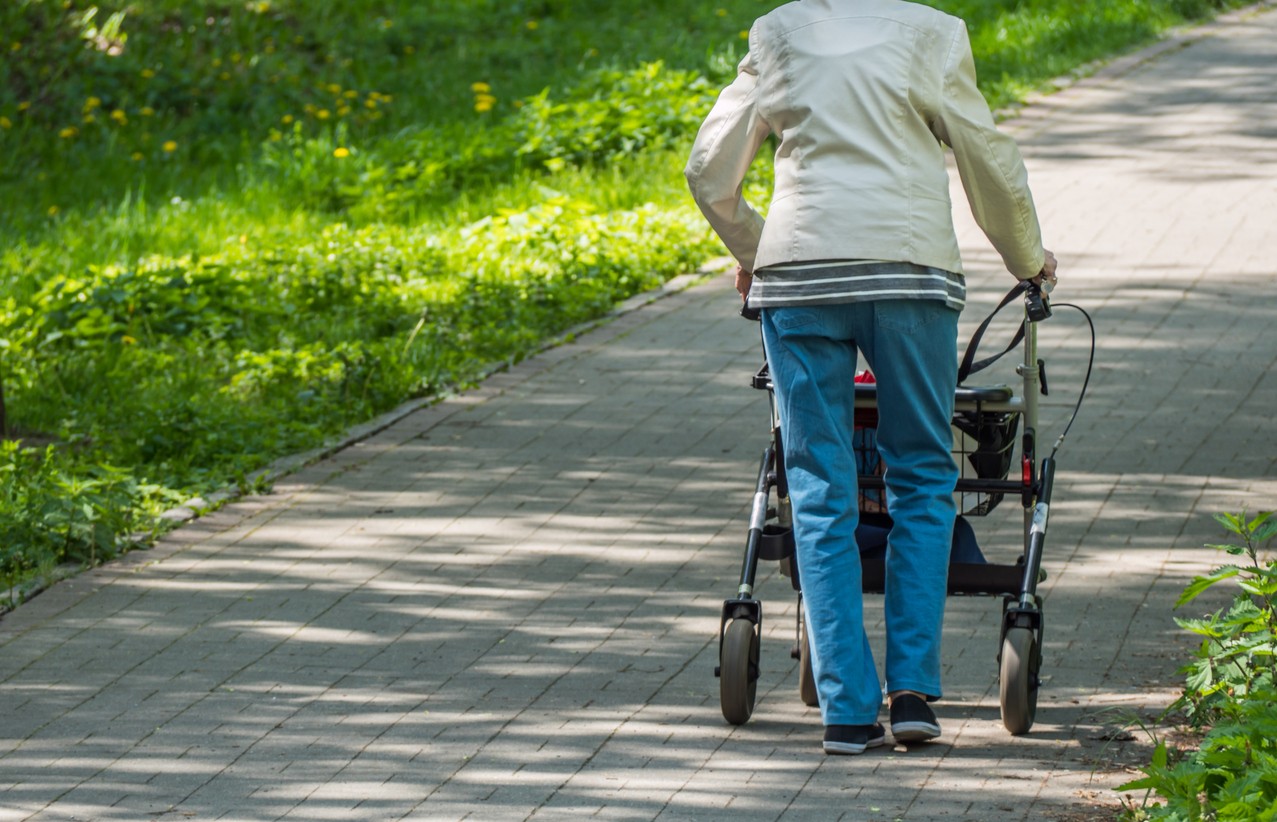
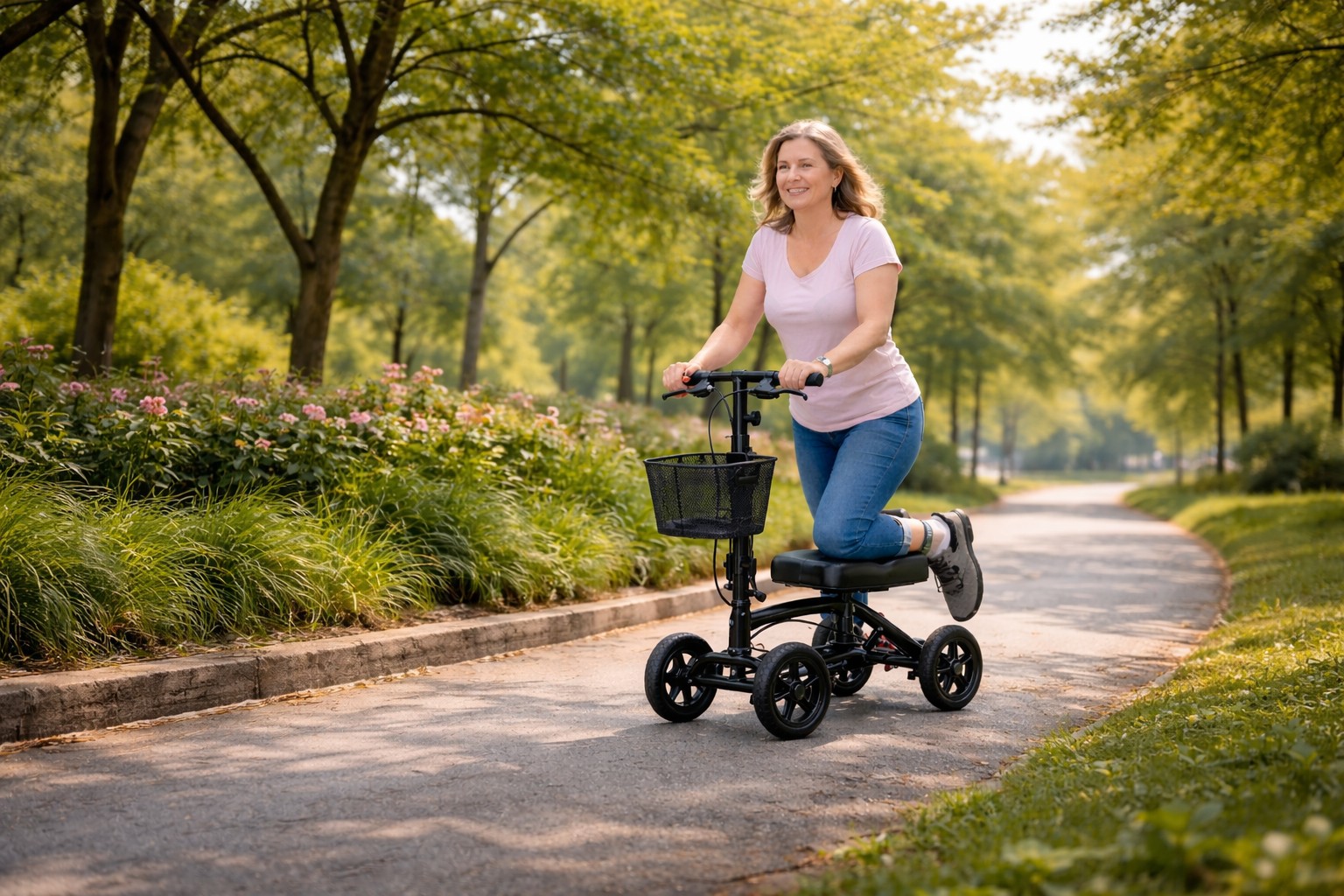
Choose a foldable and lightweight model. When packing your walking aid in and out of a car, bus, or airplane, the size and weight of the walking aid are important for moving longer distances. Go for a travel-friendly model that is portable, foldable, and lightweight. There are a lot of brands of light walkers and rollators that are basically made for that purpose, and they should be small enough to slide in a car, an airplane's upper luggage compartment, or easily be taken on a bus. If you are traveling with a powered mobility scooter or electric wheelchair, you should call in advance to make sure the airline has a way to safely store the item and figure out whether they will charge extra.
Look for built-in storage or seating. Walking aids sometimes come with built-in pockets, baskets, or even those with seats, which can be important on your numerous sightseeing tours or when waiting for flights. In these situations, if you are someone who often has rest periods or needs to take along some things as pills, water, or snacks, then a walking aid with assistance would be the best.
Match your aid to your travel environment. Will you be walking through the city streets filled with cobblestones? Will you be strolling in the country areas? Will you be trying to find your way through the large airport buildings? Different sites imply different needs. If you decide to visit a city, go for a foldable rollator with robust brakes, and if you are going for a nature trip, then you'd better get a walker with wheels that will suit any terrain, as well as having extra stability.
Packing Smart: Essentials for Comfort and Confidence
Your mobility aid carries just a fraction of the total load of a safe travel plan. Having a few essentials with you can make sure that you are not only safe but also comfortable and full of energy, no matter where you are.
Bring your ID and medical documents. Your photo ID, copies of your prescriptions, and a letter from the doctor explaining the reasons for your work with the device can be very useful in situations such as the one when you are checked by security or the device needs special handling.
Pack your comfort items with you. Everyone can get exhausted by traveling, so do not forget to take the extra effort to be kind to yourself, especially if you suffer from stability issues and you rely on a walking aid. Remember to pack some little comforts such as a seat cushion, some additional grips or rubber tips for your cane, compression socks, or just an appetizer. Besides, be sure that you get food and rest regularly because staying nourished and comfortable can keep your energy up during long travel days.
Don’t forget hydration and medications. The chances of dehydration and medicine slipping from your mind are very high. When the temperature is soaring or the activity is drawn out, a refillable water bottle could be a lifesaver. Hold your medications in the bag you will carry aboard, and something worth mentioning is to put alerts on your phone, that way you will not be thrown off by a missed dosage in the middle of your tour.
Navigating Airports, Hotels, and Tourist Spots with Ease
Traveling with mobility aids does not mean limiting your options. Many places have come up with a means to let people with a challenge of movement in and out easily, and all you need is to know what to ask for.
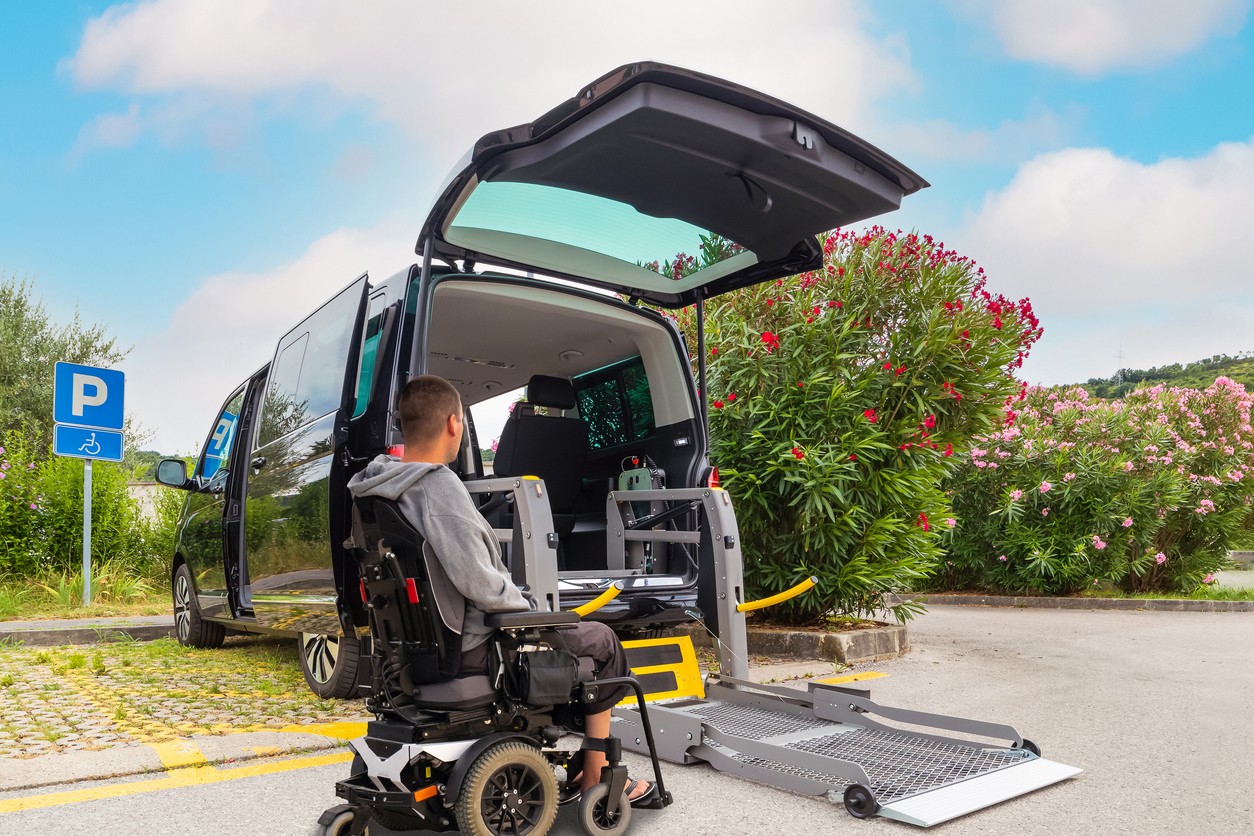
Use accessible entry points, ramps, and elevators. You can make use of the entrances, ramps, and elevators that are accessible. Call in advance to find out the entrances and facilities that are ADA-compliant or if you need extra support. Most of the airports, train stations, and public attractions have online guides or maps that show the most accessible routes for easy entry. Do not feel shy to ask the staff for directions to the elevators or to guide you through security checkpoints.
Make sure that the hotel room is accessible to you. When making your hotel reservation, be very clear about your needs. Get your room requested in advance to facilitate grab bars in the bathroom, walk-in or roll-in showers, lowered counters, wide entryways, among other features. Also, if you use a rollator or need space around the bed, inform the hotel staff early so that they can arrange for you the best room available.
Find attractions and activities that are easily accessible. Many cities all over the world are making museums, parks, theaters, and other historical sites accessible to the public. Search for guided tours that provide wheelchair access or shuttle service. Get the list of the destinations and give calls to make inquiries about the terrain, the availability of step-free access, or the presence of an elevator. Mobility should never be a problem for you in the pursuit of new experiences.
Travel More Freely with the Right Walking Aid by Your Side
A walking aid is much more than a device, it is the companion you can go on adventures with. Don't forget to check that you have your device and that it still serves your travel needs.
Check if you can use your walking aid for traveling. Is it too heavy to lift in and out of vehicles? Is it too large to pass through close places like airplanes and buses? Are the wheels, brakes, and handles in good condition? If you find your mobility aid to be a burden when you travel, it may be time to get a new one.
Seek advice from your physician or therapist. A brief consultation with your doctor or therapist can expedite your decision to choose the most suitable walking aid for your trip. They might suggest a more portable walker or a cane for short walks. If you are recovering from surgery or managing a chronic illness, your practitioner or physical therapist will help you understand exactly what kind of support is secure and at the same time gives you the most comfort.
Move confidently wherever you go. At EZ Walker Rollators, we understand very well how it is necessary to feel self-sufficient and well-protected, be it strolling around your city or going on a long journey. This is because we have gathered together equipment that is both reliable and convenient for the daily routine and for traveling. Our items, such as ultra-lightweight rollators/transport chair hybrids, promise not to take away your freedom while they perform their function to help move you effortlessly.
Ready to travel smarter and more comfortably?
Browse our selection of mobility-friendly walking aids and discover the perfect fit for your next journey or everyday use. With the right mobility solutions and preparation, you can go further than ever before confidently, comfortably, and stress-free.