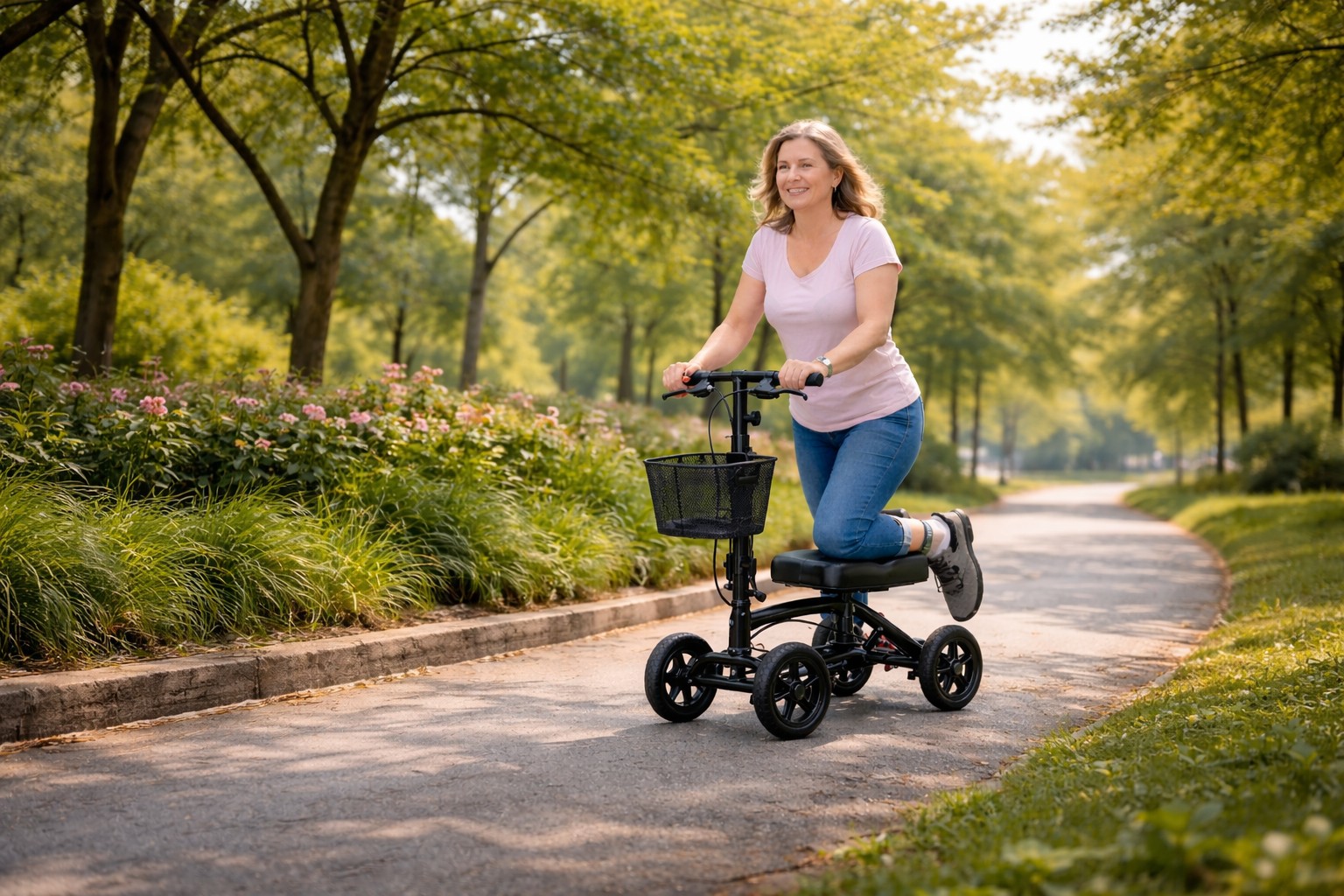
Children and Mobility Aids: Ensuring Comfort and Confidence in Young Users

The Rising Need for Mobility Aids in Children
In recent years, there's been a noticeable increase in the number of children who require assistance with mobility. For these young people, mobility isn't just about moving from point A to B; it plays a pivotal role in their cognitive development, social interaction, and overall well-being. As children explore their surroundings, they not only learn about the world around them, but also build self-confidence and independence. Enter EZ Walker Rollators, a company that stands at the forefront of providing mobility solutions. With a comprehensive understanding of the myriad of medical conditions affecting child mobility, EZ Walker Rollators has dedicated itself to ensuring that every child, regardless of their mobility challenges, can navigate the world with ease and confidence. Our dedication goes beyond just offering products; we're here to offer a beacon of hope, a promise of freedom, and a commitment to enhancing the quality of life for these young adventurers. Whether it's a temporary setback from an injury or a more permanent condition like cerebral palsy, the right mobility aid can make all the difference. And while the journey of finding the perfect solution can be daunting, remember—it's not just about the destination, but the joy of the journey, and we're here to make that journey smoother.
Understanding Common Medical Conditions Requiring Mobility Aids
Childhood is a time of exploration, wonder, and growth. However, for some children, certain medical conditions can present challenges that might hinder their natural inclination to roam and discover. Understanding these conditions is the first step in providing the most suitable mobility solutions.
Cerebral Palsy (CP)
One of the most common causes of mobility disability in children, CP is a group of disorders affecting muscle tone and motor function. Often resulting from brain damage before, during, or shortly after birth, children with cerebral palsy might exhibit stiffness, uncontrolled movements, or poor balance. Their mobility needs vary based on the severity and type of CP.
Muscular Dystrophy
This genetic disorder weakens the body's muscles progressively over time. Children affected by muscular dystrophy might initially display difficulty in running, jumping, or climbing stairs. As the condition progresses, they may require mobility aids to help them maintain independence.
Traumatic Brain Injury (TBI)
Accidents can sometimes lead to traumatic brain injuries, which can affect a child's mobility, balance, and coordination. Depending on the severity of the TBI, the mobility challenges can be temporary or long-term.
Genetic Disorders
While muscular dystrophy is one example, there are other genetic disorders that might impact muscle tone, strength, and overall physical capability. These disorders may manifest in various ways, but they all underscore the necessity for supportive mobility devices tailored to the child's individual needs. With these conditions and their resultant mobility limitations, it's paramount to ensure that children receive the right kind of support. And while the journey might seem overwhelming, knowledge is power. Recognizing and understanding these conditions can significantly influence the choices families make regarding mobility aids, ensuring a better quality of life for their child.
The Role of Professionals in Determining Suitable Mobility Devices
While understanding the medical conditions affecting a child's mobility is crucial, knowing is only half the battle. The other half lies in determining the right mobility solution tailored to the child's specific needs. Here, the role of trained medical professionals becomes invaluable.
Physical Therapists
These experts are trained in enhancing and restoring functional ability. For children with mobility disabilities, a physical therapist can evaluate muscle strength, motor function, and overall mobility. They can provide exercises to improve muscle tone, recommend appropriate mobility devices, and offer guidance on how best to use them for optimal benefits.
Occupational Therapists
These professionals focus on helping children perform daily activities with ease. An occupational therapist assesses the child's requirements in real-life situations, like school or home, and provides recommendations on mobility aids that can enhance independence in these settings.
Certified Seating Practitioners
Positioning is paramount. Ensuring that a child is seated in the correct position while using a mobility device not only enhances comfort, but also promotes optimal muscle and bone development. Certified seating practitioners specialize in evaluating and recommending the right seating and positioning solutions. Their input can be pivotal when choosing manual or power wheelchairs, ensuring that the child can use the device comfortably and effectively. In the journey of finding the best mobility solution, parents and guardians shouldn't walk alone. Consulting these professionals ensures that choices are backed by expert advice, comprehensive assessments, and a deep understanding of individual needs. This trio of expertise ensures that every child, irrespective of their condition, gets a mobility solution that grants them the freedom to explore, learn, and grow in a world full of possibilities.
A Deep Dive into Types of Mobility Aids and Devices
Once families and caregivers grasp the underlying conditions and consult with professionals, the next step is to explore the vast array of mobility aids available. These devices have been innovatively designed to cater to various needs, ensuring that children can move freely and safely.
Manual Wheelchairs
The classic choice for those needing mobility assistance. Manual wheelchairs are lightweight, portable, and often customizable. They rely on the user's arm strength or assistance from a caregiver. With the guidance of a certified seating practitioner, families can ensure that the wheelchair is tailored to the child's comfort and postural needs.
Power Wheelchairs
For children with limited arm strength or those who require longer periods of mobility, power wheelchairs are a boon. With battery-powered operations and customizable control options, they provide independent mobility while ensuring comfort.
Gait Trainers
These are designed for children who can walk, but need additional support. Gait trainers assist in upright positioning, improve walking patterns, and boost confidence. They're particularly beneficial for children with cerebral palsy or other conditions affecting muscle tone and balance.
Standard and Two-Wheeled Walkers
These devices provide stability and support for children learning to walk or those who can walk, but need a little assistance. While standard walkers have four points of contact with the ground, two-wheeled walkers have wheels on the front legs, making forward movement smoother.
Universal Crutch
A versatile tool, the universal crutch offers support for children with mild to moderate mobility challenges. It's adjustable, ensuring it grows with the child, and can be used singly or in pairs.
Orthotic Devices
These aren't mobility devices per se, but they play a vital role in supporting mobility. Orthotic devices are worn to correct or support weak or deformed body parts, enhancing their function. In the diverse world of mobility aids, there's no one-size-fits-all. Every child is unique, and so are their mobility needs. But with the right guidance and an array of alternative mobility devices, every child can find their perfect fit, ensuring they embark on life's adventures with zest and zeal.
How EZ Walker Rollators Stands Out in Providing Mobility Solutions
In the vast landscape of mobility aids, finding the right device can seem like searching for a needle in a haystack. But at EZ Walker Rollators, we've made it our mission to simplify this journey and ensure that every child finds the perfect mobility solution tailored to their needs.
Expertise and Knowledge
With years of experience under our belt, we have a deep understanding of the myriad medical conditions affecting children's mobility. Our team continuously stays updated with the latest in mobility disabilities and the best solutions to address them.
A Diverse Product Range
From manual wheelchairs to knee scooters to walkers, our inventory is diverse. We believe in offering a holistic range of products, ensuring that there's something for every child, irrespective of their mobility challenge.
Collaboration with Professionals
Recognizing the pivotal role of medical professionals in this journey, we actively collaborate with physical therapists, occupational therapists, and certified seating practitioners. This ensures that our products not only stand out in terms of quality, but also in terms of functionality and suitability.
Beyond Products – A Commitment to Service
Our relationship with families doesn't end once they purchase a mobility device. We offer after-sales service and are always available to answer queries or address concerns. Our commitment is to the child's well-being and ensuring their journey with our products is smooth and fulfilling. Overall, while the world of mobility aids might seem overwhelming, with the right partner by your side, the journey becomes simpler. At EZ Walker Rollators, we aren't just providers of mobility aids; we're partners in a child's journey towards independence, confidence, and a life filled with unlimited possibilities. Contact us today to find the right mobility aid for your child.